
The landscape of search is evolving rapidly, and chatgpt seo optimization is now essential for staying ahead. With AI engines like ChatGPT changing how users discover information, traditional strategies alone are no longer enough.
This guide is your roadmap to mastering both classic SEO and the new wave of AI-driven search. You will learn how SEO has evolved, how ChatGPT influences what users see, and the steps you need for 2025 success.
Ready to boost your visibility and outperform the competition? Dive in to explore actionable strategies for the future of search.
The Evolution of SEO: From Google to ChatGPT and AI Engines
The world of SEO is transforming rapidly. As new AI tools like ChatGPT reshape how users discover information, chatgpt seo optimization is now essential for future-ready brands. Understanding this evolution is the first step to maintaining visibility in both traditional and AI-driven search environments.
Understanding Traditional SEO vs. AI Engine Optimization
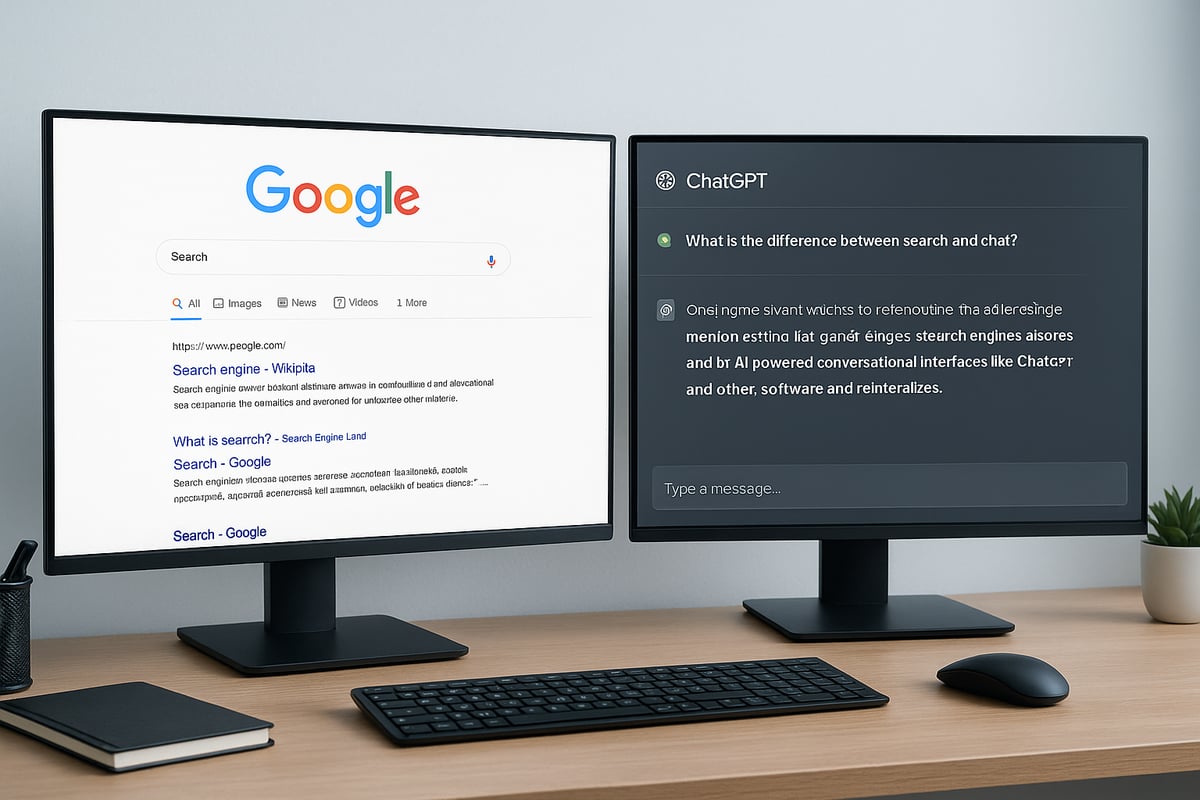
Traditional SEO focused on optimizing for Google’s algorithms, relying on keyword density, backlinks, and structured metadata. However, chatgpt seo optimization requires a different mindset. AI engines like ChatGPT prioritize user intent and context over exact keywords.
For example, while Google indexes and ranks web pages, AI engines interpret and summarize content to deliver direct, conversational responses. This means that keyword stuffing is less effective. Instead, content must be clear, authoritative, and aligned with what users are genuinely asking.
How ChatGPT and Generative AI Engines Influence Search
The rise of conversational AI is changing how people find information. In 2024, over 30 percent of Gen Z use AI chatbots for search, making chatgpt seo optimization a strategic priority. ChatGPT does more than list links; it aggregates, interprets, and recommends content in a way that mimics human conversation.
Consider the experience of searching for a local business. On Google, users see a list of links and ads. In contrast, ChatGPT delivers a synthesized answer—sometimes referencing multiple sources at once. For a detailed comparison, review this Google vs AI search comparison to see how each platform shapes discovery.
| Search Engine | Result Style | User Experience |
|---|---|---|
| List of ranked links | Click-driven navigation | |
| ChatGPT | Summarized conversation | Direct, dialogue-based info |
New User Behaviors and Search Patterns
Today’s users are shifting toward natural language and question-based queries, which is why chatgpt seo optimization must focus on real conversations. People now bounce between Google, ChatGPT, Perplexity, and other engines before making decisions.
Some key behaviors include:
- Asking complex, multi-step questions in a single prompt
- Using AI engines for quick summaries or recommendations
- Relying less on clicking through multiple links
These changes impact click-through rates and overall website traffic. Brands must adapt their strategies to remain visible where users actually search.
The Importance of Multi-Platform Visibility
Relying solely on traditional SEO is increasingly risky. Chatgpt seo optimization ensures content is discoverable across both search engines and AI platforms. Businesses optimizing for multiple engines benefit from increased reach and resilience.
Recent industry reports show companies with a strong AI engine presence generate up to 25 percent more leads. To maximize results, brands should focus on being present wherever users search. For more on this, see our guide on Multi-Platform SEO Strategies.
Core Principles of ChatGPT SEO Optimization
Understanding the core principles of chatgpt seo optimization is essential for anyone aiming to thrive in the evolving AI search landscape. As AI engines like ChatGPT increasingly shape how users find information, your approach to SEO must adapt. Let’s break down the foundational strategies that will keep your content visible and relevant.
Content Quality and E-E-A-T for AI Engines
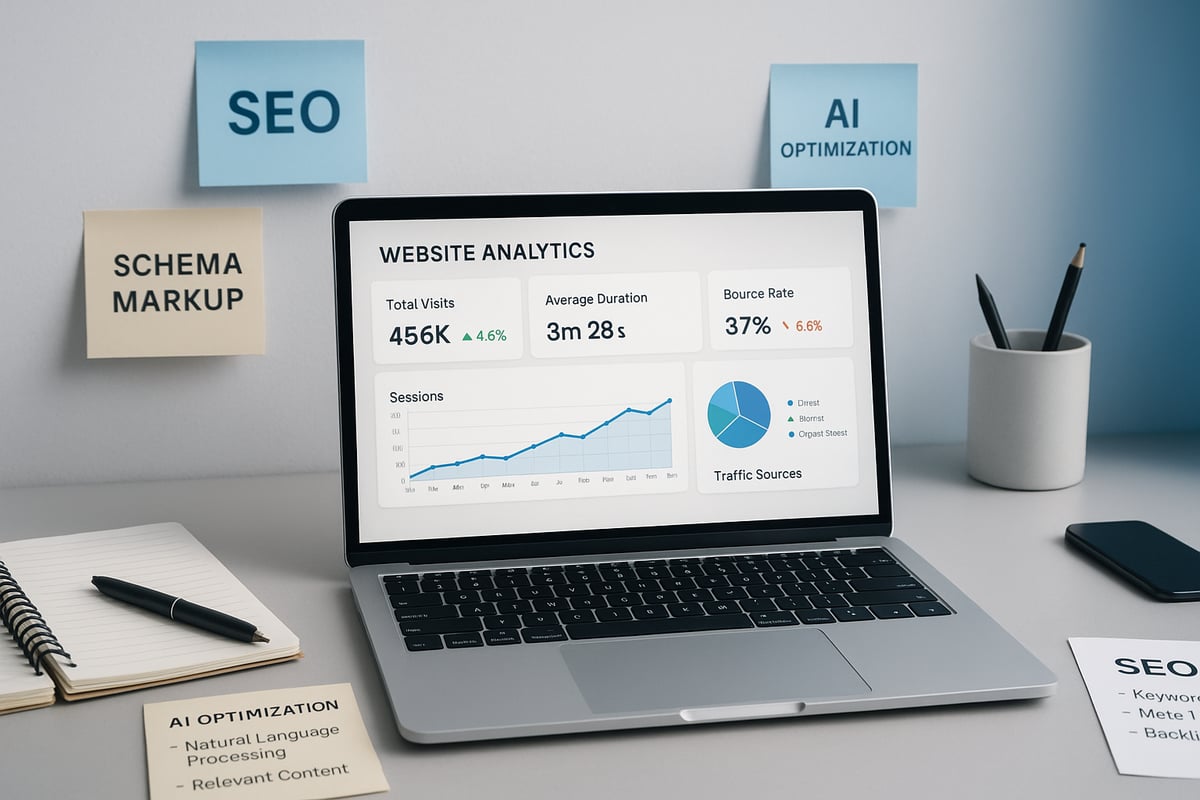
Content quality is the cornerstone of chatgpt seo optimization. AI engines like ChatGPT evaluate Experience, Expertise, Authoritativeness, and Trustworthiness (E-E-A-T) when generating answers. To signal these factors, clearly display author bios, cite reputable sources, and provide transparent credentials.
For example, an article with a recognized expert’s byline and reference links is more likely to be summarized or recommended by ChatGPT. This approach helps establish your content as a trustworthy resource, improving both AI and human user perception. For further tactics, see ChatGPT SEO strategies.
Structured Data and Semantic Markup
Structured data is vital for chatgpt seo optimization because it helps AI engines interpret and classify your content efficiently. Implementing schema.org types like FAQPage or HowTo enables ChatGPT to extract key information and present it directly in responses.
A case study showed that websites with robust schema markup saw higher inclusion rates in AI-generated summaries. Use tools like Google’s Rich Results Test to validate your markup. By adding semantic structure, you make your content more accessible for AI parsing, boosting your chances of being featured in AI-powered answers.
Topic Authority and Topical Clustering
Building topic authority is critical for chatgpt seo optimization. AI engines analyze content clusters to determine expertise and relevance. Develop pillar pages covering broad subjects, then link to supporting articles on specific subtopics.
For instance, a pillar page on “AI SEO” with linked guides on schema markup, conversational queries, and content freshness signals depth and authority. This structure helps ChatGPT understand your site’s context, increasing the likelihood of your content being cited. Internal linking among related articles further reinforces your expertise in the eyes of AI.
Natural Language Optimization and Conversational Content
Optimizing for natural language is at the heart of chatgpt seo optimization. Write in a Q&A style, anticipating the types of questions users might ask ChatGPT. Incorporate long-tail and question-based keywords naturally throughout your content.
For example, targeting the phrase “How do I optimize for ChatGPT?” within a dedicated section addresses user intent directly. Use concise, clear language that mimics natural conversations. This approach makes your content more likely to be selected and summarized in AI-generated responses.
Real-Time Data, Freshness, and Content Updates
Staying current is non-negotiable for chatgpt seo optimization. AI engines favor content that reflects the latest statistics, trends, and developments. A 2024 study found that content updated within the past 90 days is more frequently included in AI-generated answers.
Set a schedule for regular content audits and refresh outdated information as needed. Update case studies, statistics, and recommendations to maintain relevance. This ongoing commitment to freshness signals to ChatGPT and other engines that your site is a reliable, up-to-date resource.
Step-by-Step ChatGPT SEO Optimization Guide for 2025
Adapting your content strategy for AI-driven search engines is crucial for staying ahead in 2025. This step-by-step ChatGPT SEO optimization guide will help you systematically enhance your website’s visibility on both traditional and generative AI platforms. Each step is designed to address the unique requirements of chatgpt seo optimization, ensuring your site is discoverable, authoritative, and ready for the future of search.

Step 1: Conduct an AI-Focused Keyword and Topic Research
Effective chatgpt seo optimization starts with understanding how users interact with AI engines. Unlike traditional keyword research, focus on discovering conversational, intent-driven queries that mirror natural language. Use tools like Answer the Public, AlsoAsked, and Google’s People Also Ask to gather real questions people ask.
Leverage ChatGPT itself to brainstorm potential queries. Prompt the AI with your target topic and analyze the questions and follow-ups it generates. Compare your findings to a traditional keyword list. Notice how AI-focused keywords are longer, more specific, and often phrased as complete questions.
For example, a traditional keyword might be “best running shoes,” while an AI-optimized keyword would be “What are the best running shoes for flat feet in 2025?” This approach aligns with how chatgpt seo optimization surfaces content in conversational contexts.
Create a spreadsheet to track your findings:
| Keyword Type | Example Query | Source |
|---|---|---|
| Traditional | best running shoes | Google Keyword |
| AI-Focused | What are the best running shoes for flat feet 2025 | ChatGPT, PAA |
Incorporate these insights into your content planning to ensure your site is primed for both search engines and AI engines.
Step 2: Optimize Content for Conversational and Generative Engines
The next step in chatgpt seo optimization is tailoring your content to mimic natural conversation. Write in a clear, question-and-answer format to make it easy for AI engines to extract and summarize your information. Use subheaders for each key question or topic, and keep answers concise yet comprehensive.
Structure your content with bullet points, numbered lists, and tables where appropriate. This organization helps both users and AI models quickly find and interpret relevant details. Incorporate synonyms and contextually related terms to improve semantic relevance, as generative engines understand meaning beyond exact keyword matches.
For example, if targeting “How do I optimize for ChatGPT?” include related phrases like “improving ChatGPT visibility” or “AI content optimization.” Regularly reviewing actionable AI optimization hacks for 2025 can provide fresh ideas for enhancing your approach.
Remember, conversational tone and clarity are essential. Address the user directly, anticipate follow-up questions, and use schema markup (like FAQPage) to signal structured information.
Step 3: Implement Structured Data and Schema Markup
Structured data is a cornerstone of chatgpt seo optimization. By marking up your pages with schema.org types such as FAQPage, HowTo, and Product, you enable AI engines to parse your content accurately and present it in rich, informative snippets.
Start with FAQPage schema for Q&A sections. Use HowTo schema for step-by-step guides or tutorials. Product pages should include Product schema detailing features, reviews, and pricing. Tools like Google’s Rich Results Test and Schema Markup Validator can help you validate your implementation.
Here’s a sample FAQPage schema snippet:
{
  "@context": "https://schema.org",
  "@type": "FAQPage",
  "mainEntity": [{
    "@type": "Question",
    "name": "How do I optimize for ChatGPT?",
    "acceptedAnswer": {
      "@type": "Answer",
      "text": "Focus on conversational content, structured data, and up-to-date information."
    }
  }]
}
Websites with robust schema are more likely to be featured in AI-generated answers. Regularly audit your structured data to ensure alignment with evolving best practices for chatgpt seo optimization.
Step 4: Build Topical Authority and Internal Linking
Building topical authority is essential for successful chatgpt seo optimization. Develop comprehensive content clusters around your main topics, using pillar pages supported by detailed subtopic articles. This structure signals expertise and provides context for AI engines.
For example, if your pillar page is about “AI SEO strategies,” create supporting articles on “structured data for AI search,” “voice search optimization,” and “topical clustering techniques.” Interlink these pages strategically to guide both users and AI engines through your knowledge base.
Use internal links to connect related content. This not only improves user experience but also strengthens your site’s semantic structure. AI engines like ChatGPT analyze these relationships to determine your authority on a subject.
A sample cluster structure:
- AI SEO Strategies (Pillar)
- Structured Data for AI Search (Subtopic)
- Voice Search Optimization (Subtopic)
- Topical Clustering Techniques (Subtopic)
Regularly review and update your internal linking strategy to maintain strong topical relevance and improve chatgpt seo optimization outcomes.
Step 5: Monitor AI Engine Visibility and Performance
Continuous monitoring is a key aspect of chatgpt seo optimization. Track where and how your content appears in AI-generated answers across platforms like ChatGPT, Perplexity, and Claude. Use analytics tools that support referral tracking from these engines, and manually prompt AI chatbots to see if your site is cited.
Set up alerts for brand mentions using tools like Google Alerts or Mention. Join relevant forums and communities to observe how AI engines reference your content. Analyze user behavior data to see if visitors are arriving via AI engines, and adjust your strategy accordingly.
Consider maintaining a performance dashboard that includes:
| Metric | Tool/Method | Frequency |
|---|---|---|
| AI Engine Citations | Manual Prompts | Weekly |
| Brand Mentions | Alerts, Social | Daily |
| Traffic From AI Engines | Analytics | Monthly |
By staying proactive, you can refine your chatgpt seo optimization strategy and respond quickly to shifts in AI engine algorithms or user trends.
Step 6: Update and Refine Content Continuously
Ongoing content updates are vital for maintaining visibility with chatgpt seo optimization. AI engines favor fresh, relevant information, so set a regular schedule for content audits and refreshes. Prioritize updating statistics, case studies, and best practices at least quarterly.
Monitor emerging guidelines from AI engine providers and adjust your content to align with new requirements. Respond to user feedback and evolving search patterns by expanding or refining your answers. Use tools that track content freshness and flag outdated sections.
For example, update your FAQ and HowTo sections with new data, and revise examples to reflect the latest industry developments. Incorporating insights from industry reports and staying current with AI optimization hacks for 2025 will keep your strategy agile.
Continuous improvement is the hallmark of successful chatgpt seo optimization. Stay agile, review your analytics, and always look for opportunities to enhance your site’s relevance and authority.
Multi-Platform Optimization: Beyond ChatGPT
The landscape of search is rapidly evolving, and chatgpt seo optimization is no longer limited to just one platform. Today, users rely on a variety of AI engines to find answers, products, and services. Optimizing for multiple platforms is essential for staying visible and competitive in 2025.
Why Multi-Engine Optimization Matters in 2025
With the rise of diverse AI-powered discovery tools, chatgpt seo optimization must expand its reach. Users now consult Google, ChatGPT, Claude, Perplexity, and Gemini before making decisions. In fact, studies reveal that 40 percent of users check more than one engine before converting.
This fragmentation means businesses can no longer rely on a single platform for traffic. Instead, a holistic approach is needed to capture attention wherever users search. Multi-engine optimization ensures your brand remains visible in all the places your audience is looking, increasing opportunities for engagement and conversion.
Key Differences Between AI Platforms
Each AI platform interprets and presents content differently, requiring a tailored chatgpt seo optimization strategy for each. For example, Perplexity emphasizes direct citations and sources within its responses, while ChatGPT synthesizes conversational answers from multiple references.
Claude and Gemini may prioritize different data structures, such as image recognition or real-time updates. Understanding these distinctions helps you adapt content, markup, and formats to meet each engine's preferences. By recognizing the strengths and nuances of each platform, you can maximize your reach and authority in the evolving AI search ecosystem.
Strategies for Cross-Platform Visibility
To achieve effective chatgpt seo optimization across platforms, adapt your content and technical SEO for each engine's unique requirements. Start by using structured data and semantic markup compatible with both traditional search engines and AI-driven platforms.
Regularly review platform-specific guidelines and update your content accordingly. Monitor how your site appears in ChatGPT, Perplexity, and others, then refine your approach based on observed results. For a deeper dive, read these generative engine optimization insights to understand actionable tactics for boosting your cross-engine presence.
Next Engine Optimization (NEO): The All-in-One Solution for AI Engine Optimization
NEO bridges the gap between traditional SEO and chatgpt seo optimization for modern AI engines. It covers Google, ChatGPT, Claude, Perplexity, and more, offering transparent, flat-rate pricing with no long-term contracts.
With AI-powered retargeting and future-proof strategies, NEO ensures your business maintains visibility as search technology advances. By centralizing your optimization efforts, you can confidently stay ahead of the curve and capture leads across every major discovery platform.
Advanced Tactics for 2025 ChatGPT SEO Success
Staying ahead in chatgpt seo optimization means mastering advanced tactics that blend human expertise and AI-driven insights. As AI engines rapidly evolve, marketers must adopt new strategies to ensure their content stands out, earns citations, and is future-proofed for discovery across all platforms.
Leveraging AI Tools for Content Creation and Optimization
AI-driven platforms are transforming the way chatgpt seo optimization is performed. Tools like ChatGPT, Jasper, and SurferSEO streamline research, generate content briefs, and suggest semantically relevant keywords. These platforms help marketers produce well-structured, intent-driven articles that resonate with both users and AI engines.
For best results, use AI to draft outlines, brainstorm conversational queries, and optimize for natural language. Incorporate insights from SEO for ChatGPT: Practical Tips for Digital Marketers in 2025 to stay updated on evolving best practices. Remember to review AI-generated content for accuracy and add unique expertise before publishing.
Building Brand Authority and Citations in AI Engines
Establishing brand authority is critical for chatgpt seo optimization success. AI engines like ChatGPT prioritize credible sources and frequently cite well-established brands in their answers. To boost your authority, focus on earning high-quality backlinks, securing third-party reviews, and publishing original research.
Consider contributing to reputable industry publications and collaborating with recognized experts. These actions signal trustworthiness to AI engines. For a deeper understanding of how AI engines evaluate authority, review the Generative Engine Optimization (GEO) Overview, which details the mechanisms behind AI-driven search visibility.
Optimizing for Voice and Multimodal Search
The rise of voice assistants and visual AI search means chatgpt seo optimization strategies must adapt. Structure content with clear, concise answers to common questions, making it easy for AI to extract and vocalize responses. Use schema markup, such as FAQPage and HowTo, to enhance discoverability across voice and image-based platforms.
Include descriptive alt text for images and anticipate user intent by providing step-by-step guides. This approach not only supports traditional search but also positions your content for success in emerging multimodal environments.
Navigating the Ethics and Challenges of AI Search
Ethical considerations are increasingly important in chatgpt seo optimization. Address potential biases in AI-generated answers by ensuring diverse and accurate sourcing. Stay transparent about your content creation process and comply with evolving guidelines from AI platforms.
Monitor for misinformation and respond promptly to any inaccuracies that appear in AI-generated summaries of your content. By prioritizing transparency and ethical best practices, you build trust with both users and AI engines, setting the stage for sustainable visibility.
FAQ: ChatGPT SEO Optimization for 2025
Get quick answers to the most pressing questions about chatgpt seo optimization and how to future-proof your website for AI-driven search.
What is ChatGPT SEO optimization and how does it differ from traditional SEO?
Chatgpt seo optimization focuses on making your content highly discoverable and useful for AI-driven engines, rather than only for Google’s algorithms. While traditional SEO relies heavily on keywords and backlinks, chatgpt seo optimization emphasizes intent-driven content, context, and semantic relationships. AI engines like ChatGPT interpret information conversationally, prioritizing clarity and completeness. For a deeper look at this shift, see Beyond Keywords: Driving Generative Search Engine Optimization with Content-Centric Agents.
How can I get my website featured in ChatGPT answers?
To appear in ChatGPT responses, focus your chatgpt seo optimization efforts on providing clear, authoritative, and well-structured content. Use schema markup such as FAQPage and HowTo, include transparent sources, and update information frequently. Enhance credibility by adding expert author bios and citing reputable references. Regularly test your visibility by prompting ChatGPT with your target queries.
What types of content perform best in AI-driven search engines?
Content that excels in chatgpt seo optimization typically includes Q&A formats, step-by-step guides, and concise, trustworthy explanations. AI engines favor content with semantic structure, up-to-date facts, and clear intent. Incorporating schema and addressing common user questions increases your chances of being cited or summarized in AI-generated answers.
How do I track my visibility and performance in ChatGPT and other AI engines?
Monitor your website’s presence in AI engines by regularly querying ChatGPT, Perplexity, or Claude with relevant prompts. Use analytics tools to identify referral sources, and track mentions or citations in AI-generated responses. Setting up manual tests and monitoring changes in traffic can help you refine your chatgpt seo optimization strategy for better results.
Will traditional SEO still matter in 2025?
Traditional SEO will remain important, but balancing it with chatgpt seo optimization is crucial for maximum reach. Focusing on both ensures your content is visible across Google, ChatGPT, and emerging AI engines. By blending classic SEO best practices with AI-focused optimization, you future-proof your website against evolving search trends.
As you’ve seen, thriving in 2025 means embracing both traditional SEO and the new world of AI-driven engines like ChatGPT, Claude, and Perplexity. It can feel overwhelming to keep up with changing algorithms and evolving user behavior, but you don’t have to navigate it alone. If you’re serious about future proofing your business and want expert insights tailored to your goals, let’s connect. We can discuss how a multi platform strategy can ensure your brand stands out—consistently—across both search and AI engines. Ready to take the next step? Book a call and let’s start mapping your path to greater digital visibility.