

Is your business struggling to get noticed in local search results as competition grows in 2025? You are not alone. As more companies fight for visibility, mastering geographic seo is now essential for reaching high-intent customers in your area.
This guide will show you how to analyze local markets, optimize your website structure, create powerful localized content, use technical SEO, build authority, and apply advanced strategies for 2025. Ready to boost your local rankings and stand out? Let us get started.
Understanding Your Local Market for Geographic SEO Success
Is your business aiming to dominate local rankings in 2025? Success in geographic seo starts with a deep understanding of your local market. By analyzing how people search, speak, and interact in your target area, you can craft strategies that attract high-intent customers and outperform generic competitors.
Analyzing Local Search Behavior and Trends
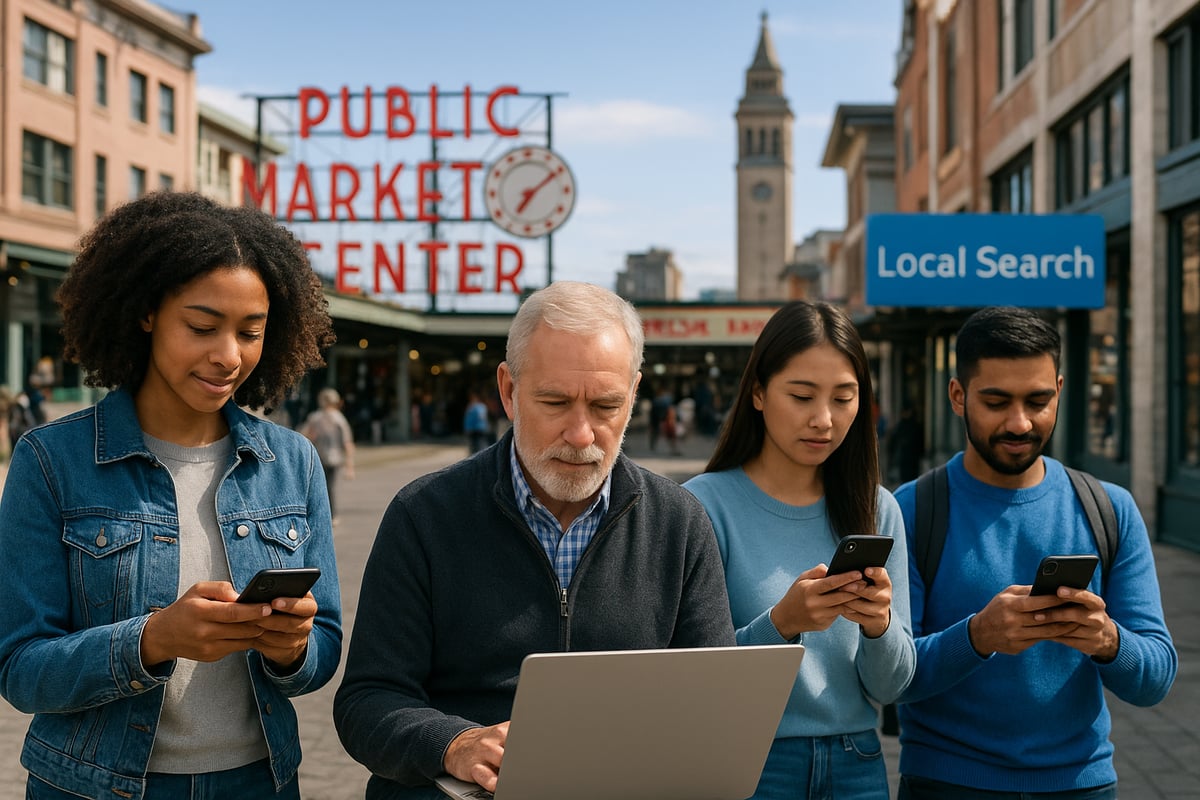
To master geographic seo, start by examining how users in your region search for products and services. Mobile searches have surged, with many people using voice assistants for quick recommendations. Queries like “best pizza near me” or “open now” have become common, especially on mobile devices.
Leverage tools such as Google Trends and SEMrush to uncover high-volume, location-specific queries. These insights reveal what your audience is truly searching for and when they are most active. For example, mobile searches for local food options rose sharply in 2024, reshaping how businesses approach geographic seo. Understanding these patterns allows you to align your strategy with real user behavior.
Assessing Language and Cultural Preferences
Geographic seo is not just about keywords, but also about connecting with your audience’s language and culture. Identify the dominant languages and dialects in your target area. This helps you create content that resonates and feels authentic.
Consider local slang, idioms, and even humor. For example, people in the US search for “apartments” while those in the UK use “flats.” Adjusting your content to reflect these nuances builds trust and relevance. Adapting to cultural references can make or break your engagement, so always tailor your messaging to local expectations. This personalized approach enhances the effectiveness of your geographic seo.
Evaluating Local SERPs and Competitors
Analyzing your local search engine results pages (SERPs) is essential for effective geographic seo. Look at which SERP features appear for your target queries, such as map packs, local snippets, and reviews. Identify your top local competitors and study their strategies.
Data shows that 46% of all Google searches have local intent, highlighting the fierce competition for visibility. Assess how competitors use reviews, local links, and structured data. By benchmarking your presence against theirs, you can identify opportunities to stand out and capture more local traffic.
Understanding Regional Events and Seasonality
Mapping local events, holidays, and festivals is a powerful way to boost your geographic seo efforts. These occasions drive spikes in search demand and influence consumer behavior. Plan your campaigns and content calendar around these periods to maximize relevance.
For instance, a restaurant may see increased searches during a city’s annual food festival. By aligning your promotions with these local events, you can attract more visitors and improve engagement. Seasonal adjustments also help you stay ahead of competitors who overlook these vital opportunities.
Segmenting Your Local Audience
Creating detailed buyer personas is a cornerstone of geographic seo. Segment your audience by location, age, interests, and purchasing habits to tailor your messaging. Urban customers might prioritize convenience, while suburban audiences may seek family-friendly options.
Use analytics tools to uncover behavioral differences within your target market. This segmentation allows for precision targeting, ensuring your offers and content resonate with each group. The result is higher engagement and conversion rates for your geographic seo campaigns.
Key Insights and Arguments
Localized strategies consistently outperform generic ones in driving conversions with geographic seo. Cultural alignment and personalized content build trust, making your business the preferred choice in your region.
To further enhance your approach, implement LocalBusiness schema markup to help search engines understand your regional focus. This structured data improves your visibility in local packs and rich results. Ultimately, a strong understanding of your market forms the foundation for lasting geographic seo success.
Structuring Your Website for Geographic SEO
Is your website ready to conquer local markets in 2025? The structure of your site plays a pivotal role in geographic seo, influencing both search engine understanding and user experience. A well-structured site makes it easy for customers and search engines to identify your regional focus, helping you rise above local competitors.
Choosing the Right Site Architecture (ccTLDs, Subdomains, Subdirectories)
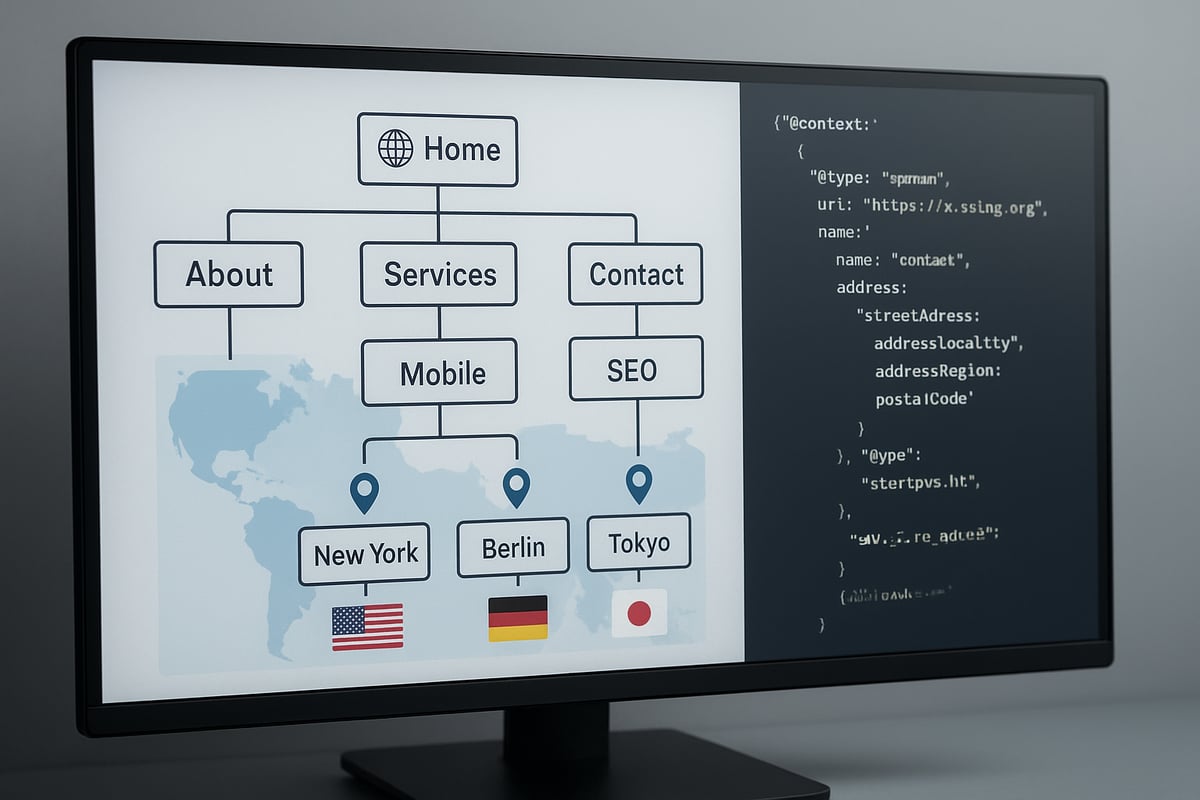
Selecting the optimal site architecture is foundational for effective geographic seo. Your choice directly impacts how search engines interpret your local intent and how users navigate your site.
Here is a comparison of the most common structures:
| Structure | Example | Pros | Cons |
|---|---|---|---|
| ccTLD | example.fr | Strong local signal, trust | Expensive, harder to manage |
| Subdomain | fr.example.com | Flexible, separates regions | Weaker authority sharing |
| Subdirectory | example.com/fr/ | Easier management, authority sharing | Slightly weaker local signal |
Multinational brands like Booking.com often combine ccTLDs and subdirectories to balance local relevance and operational efficiency. When planning your structure, consider resources, scalability, and your target audience’s expectations.
Implementing Geographic Segmentation
Geographic segmentation organizes your site by country, state, city, or even neighborhood. This segmentation is essential for geographic seo because it provides clear navigation and sends strong local signals to search engines.
- Create dedicated sections or landing pages for each target region.
- Use breadcrumb navigation to help users understand their location within the site.
- Implement local menus to highlight region-specific services.
For example, a restaurant chain might have separate city landing pages, each featuring unique menus and contact details. This approach ensures both search engines and users can find the most relevant content quickly.
Optimizing URL Structure for Local Relevance
A clean, keyword-rich URL structure is a critical factor in geographic seo. Including location names in your URLs increases their relevance and helps both users and search engines understand your regional targeting.
Examples:
/london-hotels//los-angeles-dentist/
Avoid duplicate content by ensuring each regional page offers unique value. Consistency in URL formatting also aids crawlability and user trust. Review your URLs regularly to keep them updated with your geographic focus.
Internal Linking Strategies for Local Pages
Strategic internal linking is often overlooked in geographic seo. Linking related local pages boosts authority and encourages users to explore more of your regional content.
- Link “Best Cafes in Brooklyn” to “Coffee Shops in NYC.”
- Create hub pages that connect city or neighborhood guides.
- Use descriptive anchor text to reinforce location relevance.
Effective internal linking not only improves SEO but also keeps visitors engaged longer, increasing the likelihood of conversions. For more on avoiding technical pitfalls, see Common SEO mistakes to avoid.
Schema Markup for Local Businesses
Structured data is indispensable for geographic seo. Implementing schema markup like LocalBusiness, PostalAddress, and GeoCoordinates helps search engines recognize your business location and boosts your chances of appearing in rich results.
Best practices:
- Add schema to every local landing page.
- Include business type, address, phone number, and opening hours.
- Mark up reviews for added trust.
Sites with structured data are 35% more likely to appear in rich snippets, making this a high-impact tactic for local rankings.
Managing Multilingual and Multiregional Sites
If your business serves multiple languages or regions, managing content for each audience is crucial for geographic seo. Use hreflang tags to signal the correct language and region versions of your pages.
- Serve Spanish content in Spain (
es-es), English in the UK (en-gb), etc. - Ensure users can easily switch between languages or regions.
- Avoid automatic redirects that could block search engines from crawling all versions.
This approach ensures your content reaches the right audience, avoids duplicate content issues, and maximizes your local visibility.
Key Arguments and Insights
The right website structure is critical for geographic seo success. Proper architecture, segmentation, and technical implementation help search engines accurately interpret your regional focus. A user-friendly, well-organized site not only boosts rankings but also delivers a seamless experience for local visitors.
Creating High-Impact Localized Content
Are you finding it challenging to connect with your local audience online? High-impact localized content is the cornerstone of geographic seo, helping businesses rise above generic competitors and win the trust of nearby customers. By targeting specific communities, you can dramatically improve engagement and conversion rates.
Conducting Geolocated Keyword Research
The foundation of geographic seo success is precise keyword research tailored to your location. Start by using tools like Ahrefs, Moz, or Google Keyword Planner to discover high-intent, location-specific phrases.
For example, “Dentist in Austin TX” will attract a different audience than “Cosmetic dentist near Zilker Park.” Analyze the search volume, trends, and intent behind these terms. Consider mobile search behavior, as many local users search on the go. Track emerging keywords related to neighborhoods, landmarks, or events.
Refining your keyword list ensures every piece of content speaks directly to what your local audience is seeking.
Developing Location-Specific Landing Pages
To maximize the impact of geographic seo, create unique landing pages for each target city or region. Tailor the content to highlight local services, testimonials, and case studies. Display accurate contact details and easy-to-find directions.
If you operate in multiple areas, avoid duplicating content. Instead, personalize each page with local references, staff photos, and community involvement. For example, a law firm can showcase its achievements and client stories in different neighborhoods, building trust with distinct audiences.
Clear, regionally-focused pages signal strong local relevance to both search engines and users.
Crafting Content for Local Audiences
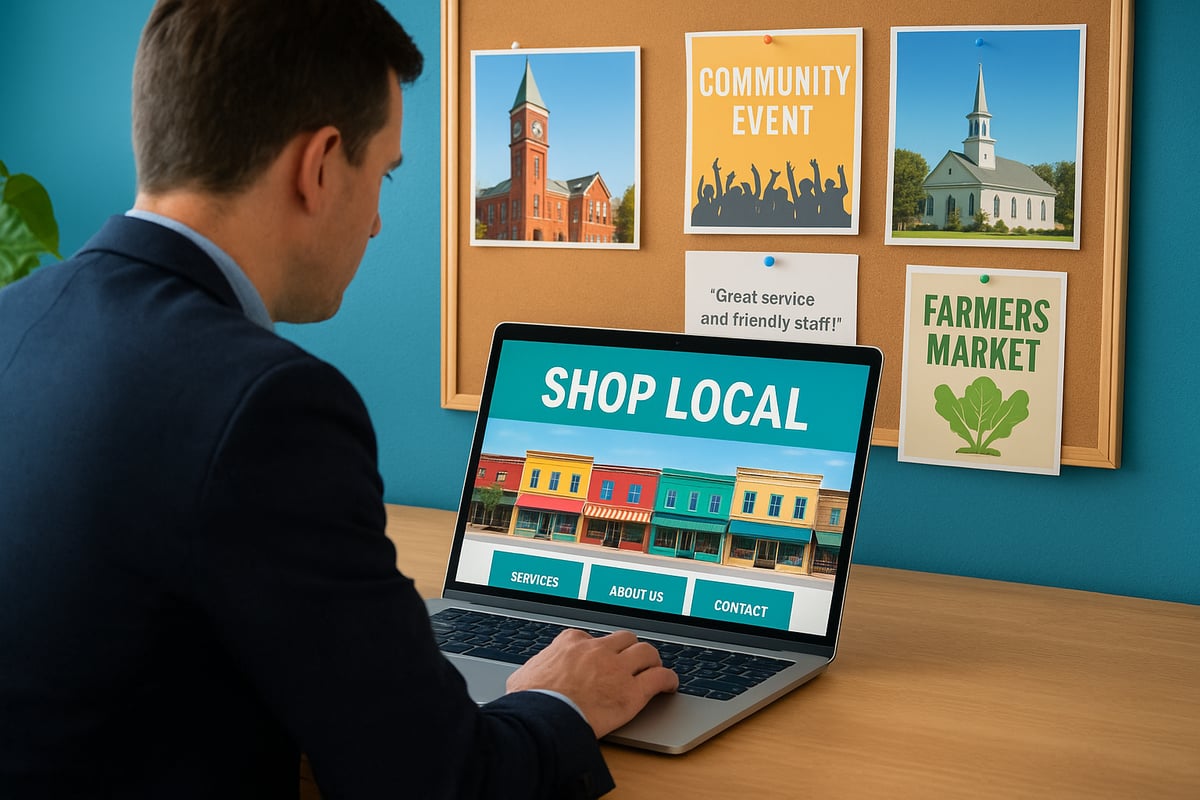
Effective geographic seo means speaking your audience’s language, literally and culturally. Reference local events, news, and traditions in your blog posts or service descriptions. Use imagery and videos that feature recognizable landmarks, local teams, or festivals.
Share stories about your team’s participation in community activities. For instance, highlight your sponsorship of a charity run or presence at a town fair. These touches increase authenticity, making your brand feel embedded in the local scene.
When your content resonates with community values, you naturally foster loyalty and visibility.
Leveraging User-Generated Content and Reviews
User-generated content is a powerful trust signal in geographic seo. Encourage customers to leave reviews and share testimonials on your site and social platforms. Display these reviews prominently to reassure potential clients.
Did you know that 28% of local searches result in a purchase? This highlights the value of showcasing authentic, local feedback.
Respond to reviews promptly and professionally, demonstrating your commitment to customer satisfaction. Positive experiences from local users can amplify your reputation and drive new business.
Translating vs. Localizing Content
Serving diverse communities requires more than simple translation. True geographic seo adapts messages for cultural relevance, not just language accuracy.
| Approach | Focus | Example |
|---|---|---|
| Translation | Direct language swap | “Happy Holidays” translated literally |
| Localization | Cultural adaptation | Adjusting for local holidays or customs |
For instance, a holiday promotion should reflect the specific traditions of each region. Localizing content ensures your offers and messaging feel genuine and timely, increasing engagement.
Utilizing Regional Media and Visuals
Visual elements play a crucial role in geographic seo. Feature photos of your storefront, staff with customers, or recognizable local landmarks. Incorporate video tours or interviews with community influencers to build credibility.
Use graphics that celebrate local culture, such as event banners, sports team colors, or seasonal decorations. These images make your site relatable and help users visualize themselves engaging with your business.
Well-chosen visuals can instantly communicate your local presence and commitment.
Internal Linking to Local Content
Strategic internal linking strengthens your site’s authority and improves navigation. Connect blog posts about city-specific activities to their respective landing pages. For example, link “10 Things to Do in Chicago” to “Best Hotels in Chicago.”
Use breadcrumb navigation to guide users through regional sections. This approach supports geographic seo by distributing link equity and making it easier for search engines to understand your site structure.
Thoughtful linking keeps visitors engaged and boosts the performance of all your local pages.
Key Insights and Arguments
Hyperlocal content is the engine of geographic seo, driving relevance and conversions. Tailored messaging and visuals help you stand out in crowded markets. By focusing on user intent, fostering community trust, and integrating authentic local experiences, you build long-term authority and loyalty.
Investing in these strategies ensures your business captures the attention of high-intent local customers, positioning you for success in 2025 and beyond.
Technical SEO Tactics for Local and Regional Visibility
In 2025, mastering technical SEO is crucial for boosting your geographic seo results. Technical optimization ensures your website sends the right signals to search engines, making your local content discoverable and relevant for your target audience. Let us break down the essential tactics you need for local and regional visibility.

Implementing Hreflang and Language Tags
Serving content in the correct language and region is fundamental to geographic seo. Use hreflang tags in your HTML to specify language and location, preventing duplicate content issues. For example, use <link rel="alternate" hreflang="en-us" href="https://yoursite.com/us/" /> for US English and <link rel="alternate" hreflang="en-gb" href="https://yoursite.com/uk/" /> for UK English. Test your tags using Google Search Console.
Optimizing Google Search Console Settings
Google Search Console is a powerful tool for geographic seo. For sites with generic TLDs, set a preferred country under “International Targeting” to guide search engines. Monitor performance by region and language to uncover issues affecting local rankings. Track index coverage, mobile usability, and region-specific impressions to identify opportunities and resolve technical problems early.
Server Location and Hosting Considerations
Physical server location can impact load speed and local rankings. Host your website or use a CDN close to your target region to enhance page speed. Faster sites deliver better user experience and improve geographic seo performance. Review hosting provider options for regional data centers and consider latency when targeting multiple countries. CDNs like Cloudflare or Akamai can further optimize delivery.
Managing Automatic Language Redirects
Automatic language or region redirects can disrupt geographic seo efforts when not implemented carefully. Avoid forcing users and search engines to specific versions based on IP alone. Instead, offer a language or region selector, allowing users to choose their preference. Ensure all versions are crawlable and indexable. Test redirects to confirm they do not block important local pages from being indexed.
Mobile Optimization for Local Search
Mobile usability is now a non negotiable aspect of geographic seo. Ensure your site is fully responsive, loads quickly, and provides a seamless experience on all devices. Did you know that 76% of mobile local searches visit businesses within 24 hours? Optimize images, enable caching, and use mobile friendly layouts. Test mobile performance regularly using Google’s Mobile-Friendly Test.
Structured Data for Local SEO
Structured data helps search engines understand your business information for geographic seo. Implement schema markup such as LocalBusiness, PostalAddress, and GeoCoordinates on your local landing pages. Add business hours, reviews, and service area details. Use Google’s Rich Results Test to validate your markup. Sites with structured data are more likely to appear in map packs and rich results, driving local visibility.
Monitoring and Fixing Technical Errors
Regular technical audits are vital for maintaining strong geographic seo. Use tools like Screaming Frog or Sitebulb to scan for crawl errors, broken links, and duplicate content. Address issues such as incorrect hreflang, missing metadata, or slow-loading pages promptly. Set up automated alerts for critical errors and review your site’s health monthly to prevent technical problems from harming local rankings.
Key Arguments and Insights
Technical excellence is the foundation of geographic seo. Proper implementation ensures your local pages are indexed, discoverable, and positioned to outperform competitors in every region.
Building Local Authority and Backlinks
Establishing local authority is the backbone of successful geographic seo. Without a strong local presence and trusted backlinks, even the most optimized sites struggle to rank in competitive map packs or local search results. Let us explore proven ways to build authority and earn the trust of your target audience.
Optimizing Google Business Profile (GBP)
Your Google Business Profile acts as the digital storefront for your brand. Accurate, up-to-date information signals to both users and search engines that your business is established and trustworthy.
Claim and verify your GBP listing, ensuring your Name, Address, and Phone number (NAP) are consistent across all platforms. Add business hours, service details, and high-quality photos. Respond promptly to reviews, which demonstrates active engagement.
For a step-by-step guide on setting up Google Business Profile, consult our detailed resource. A well-optimized GBP is non-negotiable for geographic seo success.
Earning Local Backlinks and Citations
Backlinks from reputable local sources provide strong ranking signals for geographic seo. Seek listings in respected directories, chambers of commerce, and industry associations.
Sponsorships, collaborations, and features in local newspapers can yield quality backlinks. Track citations to ensure NAP consistency. Every mention enhances your business’s credibility and discoverability in local search.
Leveraging Local PR and Media Opportunities
Public relations is a powerful lever for geographic seo. Announce major milestones, events, or awards through press releases sent to regional media outlets.
Collaborate with local influencers or bloggers for co-marketing opportunities. These partnerships often result in valuable backlinks, increased exposure, and a stronger regional reputation.
Building Relationships with Community Organizations
Community engagement is not just good citizenship—it is smart geographic seo. Sponsor local charities, events, or sports teams for organic mentions and backlinks.
Participate in volunteer programs or host workshops to deepen ties with residents. These activities foster goodwill and create authentic, locally relevant content for your brand.
Showcasing Expertise and Trust Signals
Demonstrating expertise is essential for winning over both search engines and potential customers. Highlight local awards, certifications, and memberships on your website.
Include detailed team bios and an About Us page that reflects your roots in the community. These trust signals align perfectly with the goals of geographic seo, helping differentiate your business from generic competitors.
Encouraging and Managing Local Reviews
Online reviews are the lifeblood of geographic seo. Encourage satisfied customers to leave feedback on platforms like Google, Yelp, or industry-specific sites.
Respond to all reviews—positive or negative—with professionalism and empathy. Businesses with strong ratings and active engagement see higher click-through rates from local map packs.
Monitoring Local Reputation and Mentions
Consistently track your brand’s local reputation using tools that monitor mentions and sentiment. Address negative feedback quickly to maintain trust.
Keep an eye on emerging conversations in your area, as these insights can guide future content and outreach. Ongoing reputation management is a pillar of sustainable geographic seo.
Strong local authority and quality backlinks are the fuel for geographic seo growth. By investing in these strategies, you build lasting trust and visibility in your target market. Start today and position your business for dominance in 2025’s competitive local landscape.
Advanced Geographic SEO Strategies for 2025
Staying ahead with geographic seo in 2025 requires a forward-thinking approach. As local search evolves rapidly, advanced strategies can help your business outpace the competition and secure valuable local traffic. This section explores how AI, voice search, hyperlocal tactics, and future-proofing give you the edge in the new era of geographic seo.
Embracing AI and Generative Search Engines
AI is transforming how users find local businesses, making it essential to adapt your geographic seo approach. Generative search engines, such as ChatGPT and Perplexity, curate local recommendations based on user intent, context, and conversational queries.
To optimize for these platforms:
- Focus on structured, well-organized local content
- Use schema markup for business details and reviews
- Monitor where your business is recommended by AI assistants
For a deeper dive on how AI is changing local discovery, see this analysis of Google vs. AI for local search.
Leveraging Voice Search and Conversational Queries
Voice search adoption continues to rise, especially for local queries. Users now ask natural language questions, such as “Where can I find the best pizza nearby?” Optimizing for voice means:
- Targeting long-tail, question-based keywords
- Creating FAQ content that answers specific local queries
- Ensuring your business information is accessible and up to date
Integrate conversational language into your geographic seo strategy to match evolving search patterns.
Hyperlocal Targeting with Geo-Fencing and Personalization
Hyperlocal marketing lets you reach users at the neighborhood or event level. Geo-fencing uses GPS or RFID to trigger ads or offers when users enter a defined area. To boost geographic seo effectiveness:
- Launch geo-fenced ad campaigns around key locations or events
- Personalize website content and offers based on visitor location data
- Track engagement and conversion rates by micro-location
This approach ensures your message reaches the right audience at the perfect time.
Integrating Offline and Online Local Marketing
Blending digital and offline efforts amplifies your geographic seo results. Tie in-store promotions, events, or local sponsorships to your online campaigns.
Effective tactics include:
- Using QR codes in-store to drive online reviews or special offers
- Promoting local events on your website and social channels
- Collecting offline customer feedback for use in online testimonials
This integration strengthens your local presence and builds lasting customer relationships.
Tracking and Analyzing Local SEO Performance
Data-driven decision-making is critical in geographic seo. Track traffic, rankings, and conversions by region to refine your strategies. Use tools like Google Analytics, Google Business Profile Insights, and local rank trackers.
Monitor:
- Organic traffic by city or region
- Conversion rates from local landing pages
- Review volume and sentiment
Regular analysis highlights what works and where to pivot for better results.
Preparing for Search Engine Algorithm Updates
Local and AI-driven search algorithms are constantly evolving. Keep your geographic seo aligned with best practices by:
- Monitoring updates from Google and major platforms
- Prioritizing E-E-A-T (Experience, Expertise, Authoritativeness, Trustworthiness)
- Regularly auditing your site for technical issues and content freshness
Adapt quickly to changes to maintain your competitive edge.
Future-Proofing Your Local SEO Strategy
To future-proof your geographic seo, invest in multi-platform visibility and continuous learning. Anticipate trends such as privacy changes, AI advancements, and shifting user behavior.
Steps to stay ahead:
- Diversify your local presence across emerging search and AI platforms
- Test new technologies, like chatbots or AR, for local engagement
- Stay informed through industry publications and thought leaders
A proactive approach ensures your business remains visible and relevant as the local search landscape evolves.
Key Arguments and Insights
Adopting advanced geographic seo strategies, from AI optimization to hyperlocal targeting, positions your business for sustained local growth in 2025. Early adopters gain a powerful advantage as search engines and user habits shift. By focusing on innovation and adaptability, you can maximize your local reach and drive measurable results.
FAQ: Geographic SEO & Local Rankings in 2025
Are you seeking clarity on how geographic seo works in 2025? This FAQ addresses critical questions to help you boost local rankings, improve visibility, and stay ahead of the curve.
What is geographic SEO and why is it important in 2025?
Geographic seo refers to optimizing your website and content to target users in specific locations. In 2025, search engines and AI platforms increasingly prioritize local relevance, making geographic seo vital for driving targeted traffic and engaging high-intent customers.
How do I choose the best site structure for my local business?
Selecting the right structure involves evaluating ccTLDs, subdomains, and subdirectories. For most, subdirectories are easier to manage and consolidate authority. Multinational brands may benefit from ccTLDs for strong local signals. Always align site structure with your business goals and resources.
What are the top ranking factors for local SEO in 2025?
Key ranking factors include Google Business Profile optimization, high-quality local content, authoritative backlinks, and technical SEO. Appearing in the Google Maps Pack is essential, as 42% of users click on results in the Google Maps Pack.
How can I optimize for AI-powered search engines and assistants?
To boost geographic seo visibility on platforms like ChatGPT and Perplexity, focus on structured data, conversational content, and local expertise. For actionable tactics, explore AI optimization hacks for SEO.
How do I measure the success of my local SEO efforts?
Track rankings, organic traffic, conversions, Google Business Profile performance, and review volume. Use analytics tools to segment performance by region and continually refine your geographic seo strategy.
How often should I update my local landing pages?
Update local landing pages regularly to reflect new services, seasonal events, or customer testimonials. Fresh, relevant content maintains search engine interest and aligns with evolving local search trends.
What are the most common technical mistakes in geographic SEO?
Common pitfalls include incorrect hreflang implementation, duplicate content across regions, missing schema markup, and slow site performance. Regular technical audits help prevent these issues.
Can I target multiple regions or cities with one website?
Yes, you can target several locations with one site by creating unique landing pages and using proper internal linking. Avoid content cannibalization by ensuring each page is distinct and relevant to its target region.
After exploring the essential strategies for mastering geographic SEO—from understanding your local market to leveraging AI-driven optimization—you might be wondering how to put these insights into action for your own business. If you’re ready to boost your local rankings and ensure your brand stands out across Google and the latest AI platforms, let’s take the next step together. With a tailored approach that blends traditional SEO and cutting-edge AI, you can position your company for success in 2025’s dynamic search landscape. If you’re interested in personalized guidance, Book a call and let’s discuss your local SEO goals.