

In 2026, the race to capture online attention is more intense than ever before. Businesses aiming to grow must get seo right to stand out in a crowded digital world.
This guide offers you the latest strategies and proven tactics to help you get seo working for your brand. You will discover how to boost visibility, attract the right audience, and drive sustainable results.
Ready to unlock your potential? Follow this step-by-step roadmap to get seo results on Google and AI-powered search engines, optimize your site, and set your business up for lasting online success.
Understanding SEO in 2026: Trends, Challenges & Opportunities
In 2026, the way you get seo right is changing fast. Search engines are evolving, and so are the rules for online visibility. To thrive, you need to understand the trends, challenges, and opportunities shaping digital marketing today.
The Evolving Search Landscape
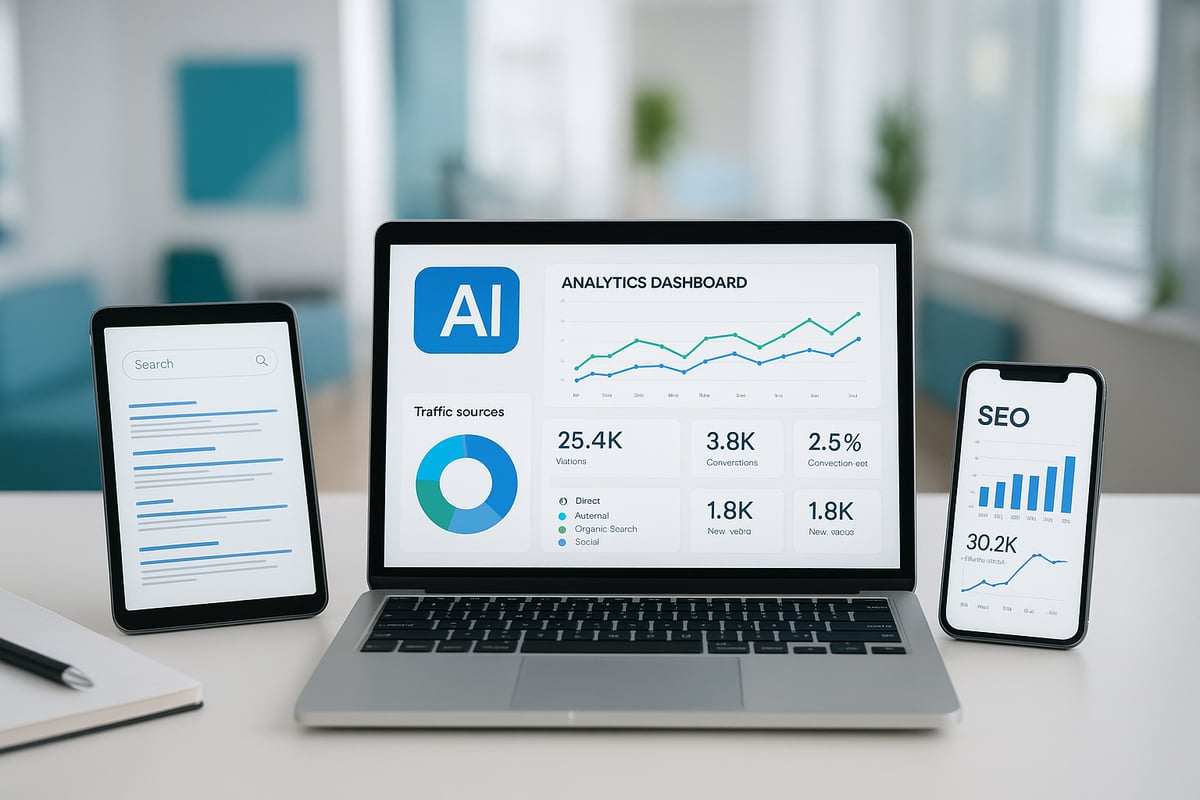
The search world in 2026 is more dynamic than ever. Google still leads, but AI search engines like ChatGPT and Perplexity are redefining how people get seo results. Users now interact with conversational queries, expecting direct and personalized answers.
AI-driven and generative search results have become mainstream. Over 70% of all search queries now involve AI-powered engines, according to recent industry reports. Voice search and multi-device browsing are standard, driving a mobile-first mindset.
| Trend | 2026 Impact |
|---|---|
| AI search engines | 70%+ of queries |
| Mobile traffic | 65%+ of all visits |
| Conversational UX | Intent-based, direct answers |
For a deeper dive into how these shifts affect your strategy, see AI vs. Google search strategies.
Key SEO Challenges for Businesses
Getting seo to work for your business is harder as competition grows. More brands are investing in quality content, making it tough to stand out. Algorithm updates can quickly shift rankings, leaving even great sites struggling.
- Fierce competition for organic visibility
- Frequent algorithm changes affecting stability
- Navigating multilingual and global search demands
- Balancing user experience with technical optimization
A new website may publish valuable articles, but without authority or the right technical foundation, it can remain buried beyond the first page. This highlights why mastering both content and technical basics is essential to get seo results.
Opportunities for Growth
Despite the hurdles, forward-thinking marketers can get seo advantages by embracing new tools and tactics. AI-powered optimization can reveal untapped keyword opportunities and automate tedious tasks.
- Use AI tools for smarter keyword research
- Target underserved niches and long-tail keywords
- Build authority through E-E-A-T principles
- Aim for featured snippets and zero-click results
Did you know that 58% of all clicks go to the top three search results? Focusing on high-intent keywords and building trust can help you secure those coveted positions and get seo gains that last.
The Importance of a Strategic Roadmap
Random tactics rarely deliver lasting success in 2026. To get seo results, you need a clear, step-by-step plan that adapts to changing trends and technology.
A strategic roadmap aligns technical, content, and authority-building efforts. This guide will walk you through each stage, ensuring you not only survive but thrive in the evolving digital landscape.
Step 1: Laying the Foundation—Site Structure, Analytics & Search Console
Establishing a solid foundation is critical if you want to get seo results that last. Before diving into advanced tactics, every successful strategy begins with robust site structure and a clear understanding of your website’s health. In 2026, the basics remain as vital as ever, especially when search engines and AI platforms demand both technical precision and user-centric design.
Setting Up Essential Tools for Success
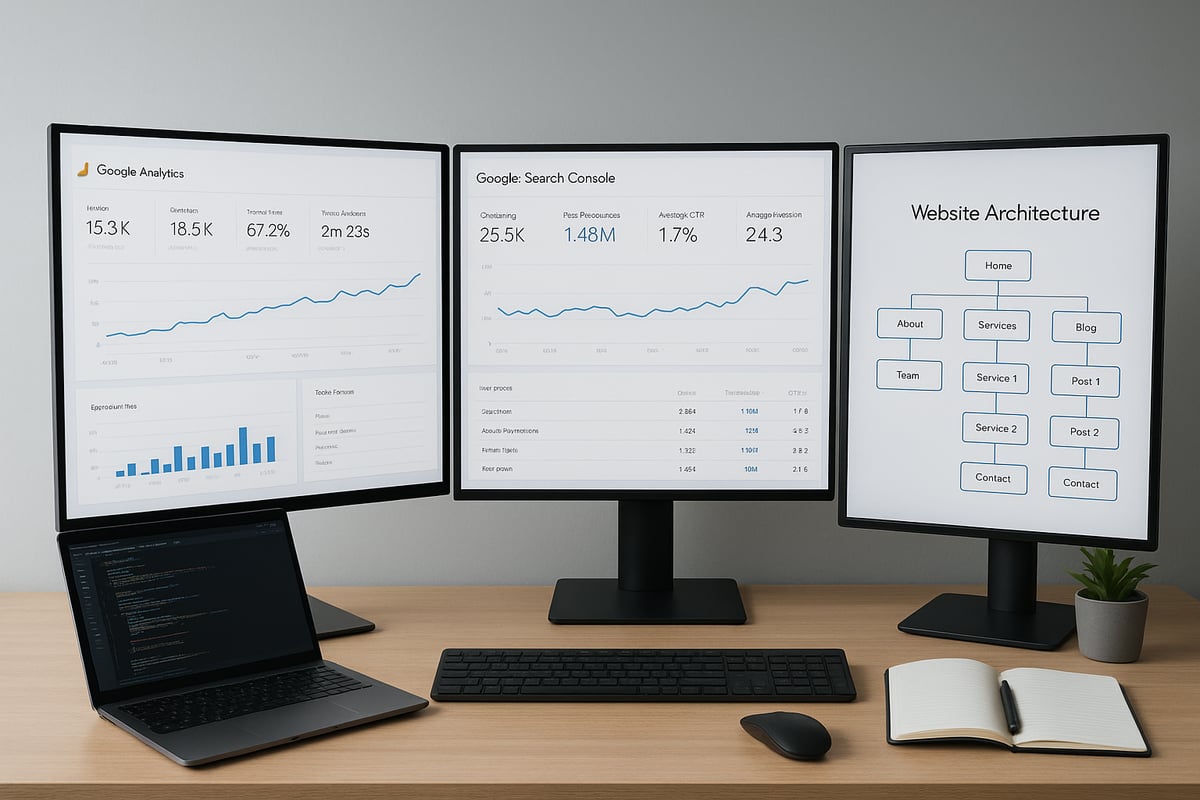
To get seo momentum, start by equipping your website with the right analytics and monitoring tools. Google Search Console is essential for tracking site health, indexing status, and identifying technical issues like duplicate content. For example, you can use Search Console’s Coverage report to quickly spot and resolve duplicate or missing pages.
Pair this with Google Analytics to monitor user behavior, traffic sources, and conversion paths. Integrating both platforms gives you a comprehensive view of how visitors interact with your site and where improvements are needed.
For those just starting out, accessing a SEO basics and getting started guide can help streamline your setup and ensure you don’t miss any critical steps.
Building an SEO-Friendly Site Structure
A logical site structure is non-negotiable if you want to get seo advantages in 2026. Begin with a clear hierarchy: organize your main menus, categories, and subcategories so both users and search engines can navigate effortlessly.
Use internal linking to connect related content, guiding users deeper into your site and making it easier for crawlers to index your pages. For example, placing important links in the header menu typically boosts visibility, while footer menus support secondary navigation.
| Menu Location | Impact on SEO | Best Use Cases |
|---|---|---|
| Header | High visibility, crawlable | Primary navigation |
| Footer | Supports UX, less prominent | Policies, secondary links |
Optimizing navigation isn’t just about aesthetics—it directly affects crawlability and engagement.
Technical Fundamentals
Strong technical foundations are the backbone for anyone aiming to get seo results. Begin by submitting an XML sitemap and configuring your robots.txt file to guide search engine bots efficiently.
Implement schema markup to enhance your listings in search results, such as adding FAQ or product data for rich snippets.
<urlset xmlns="http://www.sitemaps.org/schemas/sitemap/0.9">
  <url>
    <loc>https://www.example.com/</loc>
    <priority>1.0</priority>
  </url>
</urlset>
Ensure your site uses HTTPS for security, set canonical tags to avoid duplicate content, and resolve crawl errors promptly. According to industry data, 90 percent of top-ranking sites maintain a clean, organized architecture.
Mobile-First & Core Web Vitals
To get seo benefits, your site must be mobile responsive by default. With 65 percent of traffic coming from mobile devices, optimizing for speed is crucial. Use Google PageSpeed Insights or GTmetrix to identify bottlenecks and improve load times.
Pay close attention to Core Web Vitals—Largest Contentful Paint (LCP), First Input Delay (FID), and Cumulative Layout Shift (CLS)—as these metrics increasingly influence rankings. Regularly monitor your site’s performance to ensure a seamless experience across all devices.
Common Pitfalls and How to Avoid Them
Many sites fail to get seo traction due to overlooked fundamentals. Avoid overcomplicated navigation structures that confuse users and search engines. Never ignore technical SEO basics—issues like broken links, missing schema, or slow loading times can undermine your efforts.
Regularly monitor site performance and audit your setup to catch problems early. For a detailed list of mistakes to watch out for, consider reviewing best practice guides and industry checklists.
Step 2: Creating Content That Ranks—Keyword Research & On-Page SEO
In the race to get seo results in 2026, content is your most powerful asset. But ranking high takes more than just publishing blog posts. You need a research-driven strategy, user-focused writing, and technical precision to outshine the competition. Here’s how to create content that not only ranks but also converts.
Mastering Keyword Research in 2026
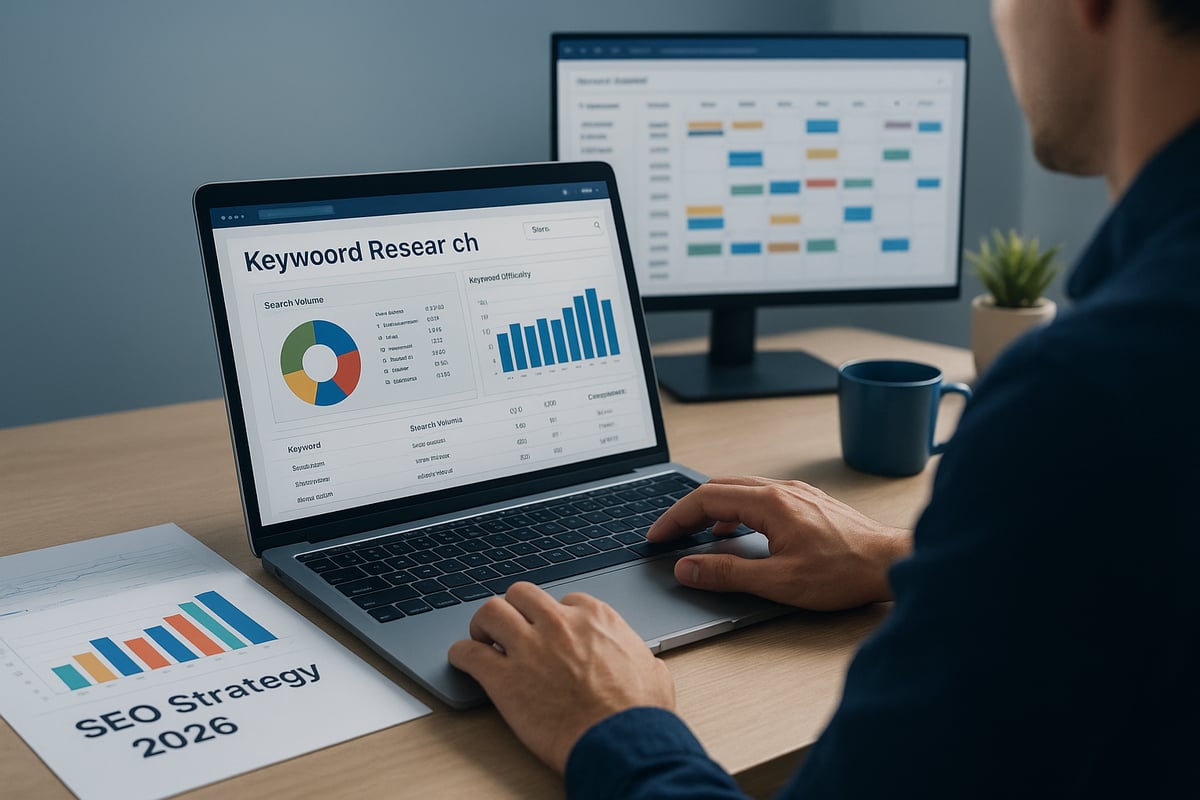
A winning get seo strategy always starts with smart keyword research. In 2026, AI-powered search engines and voice assistants demand a new approach. Focus on high-intent, low-competition keywords that reflect real user queries.
Use advanced tools like SEMrush, Ahrefs, and Google Keyword Planner to uncover both trending and zero-volume keywords. Don’t overlook long-tail phrases—these often capture highly targeted traffic. Understanding search intent is crucial: categorize keywords as informational, transactional, or navigational. For example, “best AI SEO tools 2026” is transactional and can drive motivated visitors.
Keep an eye on competitor terms, and always consider how your audience’s language is evolving.
Writing for Both Users and Search Engines
To get seo benefits from your content, balance creativity with optimization. Write naturally, addressing readers’ questions and keeping their journey in mind. Place keywords thoughtfully in titles, headers, meta descriptions, and body text without overdoing it.
Structure your content for readability. Use short paragraphs, bullet points, and clear subheadings. Incorporate credible sources and original research to build trust and satisfy E-E-A-T standards.
For example, a well-optimized post on “how to get seo results fast” will include actionable tips, data, and clear calls to action. Remember, both users and search engines value clarity and depth.
On-Page SEO Best Practices
On-page optimization is critical to get seo success. Start by optimizing images with descriptive alt text and proper compression to enhance load speed. Follow internal linking best practices to guide users and bots through your site, and include relevant external links for authority.
Pay attention to URL structure—keep it short, descriptive, and keyword-rich. Implement schema markup to increase your chances of rich results and higher click-through rates. As studies show, pages with schema markup see up to 30% more clicks.
Always review your content with a checklist to ensure nothing is missed.
Content Freshness and Updates
In 2026, Google and AI search engines prioritize fresh, relevant content. Regularly update your pages to get seo gains and maintain your rankings. Repurpose older content by adding new insights, statistics, or examples.
Refresh titles, meta descriptions, and visuals to reflect current trends and user preferences. For instance, turn a 2025 guide into a 2026 update by incorporating the latest industry data and search behaviors.
Keep a content calendar to schedule reviews and updates, ensuring your site remains a reliable resource for visitors.
Avoiding Common Content Mistakes
Even with the best intentions, it’s easy to make errors that hurt your get seo efforts. Avoid keyword stuffing, duplicate content, and thin or shallow posts. Focus on depth and user value instead of chasing quick wins.
Neglecting user experience for so-called SEO hacks can backfire. Always prioritize readability, navigation, and mobile usability. For a deeper dive into frequent errors, see Common SEO mistakes to avoid.
By steering clear of these pitfalls, you create a solid foundation for long-term search success.
Step 3: Off-Page SEO—Building Authority & Earning Backlinks
Want to get seo results that truly move the needle? Off-page SEO is where your authority is built and your brand earns trust. In 2026, backlinks remain a critical factor for ranking on Google and AI-driven search engines. Let us explore how to harness the power of links, social signals, and citations to boost your visibility.
The Power of Backlinks in 2026
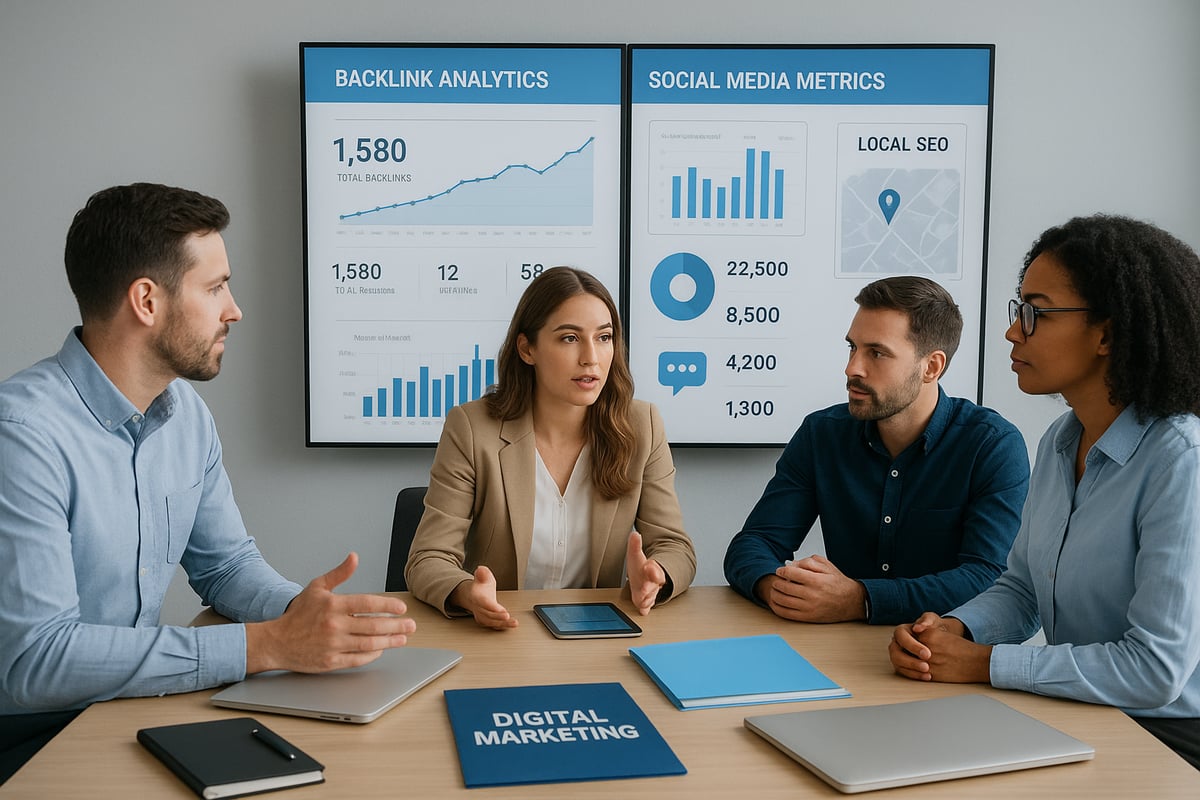
Backlinks continue to be one of the strongest signals of authority for search engines. When reputable sites link to your content, it tells Google and AI-powered engines that your site is trustworthy.
Quality now outweighs quantity. A single link from a respected industry source can carry more weight than dozens from low-authority sites. Recent studies show that top-ranking pages have 3.8 times more backlinks than those lower down the results.
With AI-driven search evolving, the context and relevance of your links matter more than ever. Earning editorial backlinks from niche leaders can help you get seo results that last.
Proven Link Building Strategies
Effective link building in 2026 is about building genuine relationships and offering value. Start with guest posting on authoritative sites in your field. Broken link building is another tactic: identify outdated resources on other sites and suggest your content as a replacement.
Leverage partnerships, testimonials, and digital PR to secure mentions from trusted sources. For example, landing a backlink from a leading industry blog can drive both referral traffic and search visibility. To go even deeper, explore Generative Engine Optimization: How to Dominate AI Search for strategies tailored to the new era of AI-powered search engines.
Diversifying your approach will help you get seo traction across multiple platforms.
Social Signals & Brand Mentions
While social media links are mostly "nofollow," their indirect impact on get seo is significant. Social sharing amplifies your content's reach, increasing the likelihood of earning organic backlinks.
Building brand awareness through platforms like LinkedIn, Twitter, and niche forums keeps your business top-of-mind. Monitoring unlinked brand mentions allows you to turn casual references into valuable backlinks and authority signals.
A strong social presence can boost your visibility in both search and generative AI results.
Local SEO & Citations
For businesses targeting a specific region, local SEO and citations are key pillars of off-page strategy. Ensuring NAP (Name, Address, Phone) consistency across directories and your Google Business Profile helps search engines verify your legitimacy.
Encourage customer reviews and pursue local backlinks from community organizations, local media, or business partners. These efforts can help you get seo wins in your geographic market.
Regularly audit your citations and profiles to maintain accuracy and authority.
Avoiding Black Hat Tactics
Shortcuts may promise fast results, but black hat tactics can put your get seo efforts at risk. Buying links or joining link schemes often leads to Google penalties and long-term damage.
Instead, focus on ethical link-building practices and transparent outreach. Sustainable authority comes from valuable content, authentic relationships, and ongoing quality improvements.
Protect your rankings by steering clear of risky tactics and staying informed about evolving guidelines.
Step 4: Technical SEO & User Experience Optimization
Mastering technical SEO and user experience is essential if you want to get seo results that last. In 2026, search engines and users demand seamless performance, fast load times, and accessible content. Let us explore the critical elements that will help you build a robust website foundation and climb the rankings.
Core Technical SEO Elements
The backbone of any effort to get seo visibility is a technically sound website. Prioritize site speed using tools like Google PageSpeed Insights and GTmetrix to identify bottlenecks. Mobile-first indexing is now the default, so ensure your design adapts flawlessly to all devices.
Implement structured data and schema markup to help search engines understand and display your content in rich results. For example, adding FAQ or product schema can increase your chances of earning featured snippets.
Here is a quick checklist to guide your technical setup:
| Element | Tool/Resource | Benefit |
|---|---|---|
| Site Speed | PageSpeed, GTmetrix | Higher rankings, lower bounce |
| Schema Markup | Schema.org, GSC | Rich results, more clicks |
| Mobile Responsiveness | Responsive design | Better UX, improved SEO |
Stay updated with emerging AI-powered techniques by reviewing Generative Engine Optimization insights, which can further future-proof your approach.
Advanced Technical Strategies
To get seo performance to the next level, address advanced issues like crawl budget and indexation. Ensure important pages are easily discoverable and irrelevant ones are excluded using robots.txt and noindex tags. Pagination and canonicalization prevent duplicate content, while well-implemented hreflang tags support multilingual and international SEO.
Did you know that 80 percent of global users prefer content in their own language? Prioritize localization to unlock new audiences. Regularly monitor your site’s index status in Google Search Console and address any crawl errors promptly.
Use the following code snippet for a basic canonical tag setup:
<link rel="canonical" href="https://www.example.com/your-page/" />
These strategies ensure search engines can effectively crawl, understand, and rank your content.
Enhancing User Experience (UX)
User experience is inseparable from your get seo efforts. Clean, intuitive navigation helps visitors find information quickly and encourages them to stay longer. Fast-loading pages reduce bounce rates and keep users engaged, while minimizing pop-ups prevents frustration.
Accessibility is non-negotiable. Follow WCAG guidelines to ensure your content is usable for everyone, including people with disabilities. Simple adjustments, like adding descriptive alt text to images and ensuring sufficient color contrast, make a significant impact.
Prioritize a design that is both visually appealing and functional. Remember, the ultimate goal is to delight users and guide them toward action.
Monitoring and Fixing Technical Issues
Continuous monitoring is the key to sustainable get seo results. Perform regular technical audits using tools like Screaming Frog or Sitebulb to uncover hidden errors. Google Search Console remains your central hub for detecting mobile usability issues, crawl errors, and other technical roadblocks.
For example, resolving mobile usability errors—such as clickable elements that are too close together—can instantly improve your rankings and user satisfaction. Keep a checklist of common issues and schedule quarterly reviews to stay proactive.
A well-maintained site not only satisfies search engines but also builds trust with your audience.
Step 5: Measuring, Auditing & Iterating for Continuous Growth
Achieving true online growth means you cannot simply set and forget your strategy. To get seo results consistently in 2026, you must measure, audit, and adapt. This step ensures your efforts drive lasting improvements, not just temporary spikes.
Tracking SEO Performance
The foundation of any get seo strategy is clear measurement. Start by monitoring key metrics like organic traffic, keyword rankings, click-through rates, bounce rates, and conversions. Use Google Analytics to set up goal tracking, so you know exactly which actions drive value.
For example, after restructuring your website, track changes in user behavior and conversions. Compare data before and after updates to see what works. This approach allows you to pinpoint what drives results and where you need to pivot.
Regularly reviewing these numbers reveals trends, helping you refine your get seo approach over time. Always ensure your analytics and reporting tools are properly configured for accurate insights.
Conducting Regular SEO Audits
Routine audits are the backbone of sustainable get seo growth. Create a checklist for on-page, off-page, and technical elements. Look for issues such as broken links, duplicate content, slow pages, or missed optimization opportunities.
Industry data shows that sites auditing every quarter experience growth twice as fast. Identify and prioritize quick wins, but also tackle deeper issues uncovered during audits. Use tools like Screaming Frog or Sitebulb to automate much of the process.
After each audit, document your findings and set actionable steps. This systematic review ensures your site remains healthy and competitive in changing search environments.
Learning from Data & User Behavior
To truly get seo results, go beyond basic metrics. Dive into heatmaps and user recordings to see how visitors interact with your site. Analyze which pages drive conversions and which ones lead to drop-offs.
AI-driven search is changing how users discover and engage with content. For advanced strategies, explore frameworks for Driving Generative Search Engine Optimization to enhance your influence in AI-powered results.
When you spot successful content or high-performing keywords, double down. Replicate what works elsewhere on your site. Let user data guide your decisions, not just intuition.
Staying Ahead of Algorithm Updates
Search engines constantly evolve, so proactive monitoring is essential. Subscribe to industry news and Google updates to catch changes early. When a new ranking factor emerges, assess how it affects your get seo efforts and adapt quickly.
Diversify your tactics to build resilience. Relying on a single channel or strategy is risky. Test new approaches, evaluate their impact, and be ready to pivot as needed.
Avoiding Complacency
Continuous improvement separates leading brands from the rest. Make learning a habit by following SEO thought leaders and experimenting with new tools. Encourage your team to test, analyze, and iterate.
Remember, the digital landscape will keep changing. By committing to regular measurement, auditing, and agile updates, you ensure your get seo strategy remains effective and future-proof.
Frequently Asked Questions (FAQ)
Curious about how to get seo results in 2026? This FAQ covers the most asked questions about strategies, timelines, and adapting to the evolving search landscape.
What is the most important SEO factor in 2026?
The most critical factor for get seo success in 2026 is adapting to AI-driven search. Content quality, user experience, and intent-based optimization are essential. Search engines prioritize relevance, authority, and helpfulness, so focus on valuable, original content that serves your audience’s needs.
How long does it take to see SEO results?
Most websites begin to see noticeable improvements in three to six months after implementing get seo best practices. Timelines vary based on competition, site age, and strategy. Consistency, high-quality content, and ongoing optimization are key to achieving sustainable growth.
Do I need to optimize for AI search engines like ChatGPT?
Yes, optimizing for AI search engines is increasingly important. These platforms use conversational and intent-focused algorithms to deliver results. Learn more about role-augmented intent-driven generative search engine optimization to ensure your content is discoverable across both traditional and AI-driven platforms.
How often should I audit my website’s SEO?
Quarterly audits are recommended for most sites. Regular checks help catch technical issues, content gaps, and algorithm shifts early. Ongoing monitoring of analytics and search console data ensures your site stays healthy and maintains strong visibility.
Can small businesses compete with large brands in SEO?
Absolutely. Small businesses can win by targeting local keywords, serving niche audiences, and building authority with high-value content. Strategic get seo efforts, such as earning quality backlinks and optimizing for local search, level the playing field against larger competitors.
What are some common SEO mistakes to avoid?
Avoid keyword stuffing, neglecting technical seo, ignoring mobile users, and buying backlinks. Focus on user experience and content quality. Regularly update your site, address errors promptly, and stay informed about the latest seo trends to maximize results.
[Optional if relevant] Multi-Platform SEO: Beyond Google (If AI Engine Optimization is Directly Relevant)
In 2026, the online search environment is rapidly expanding beyond traditional engines. To truly get seo results that last, businesses must now consider platforms like ChatGPT, Claude, Perplexity, and Gemini. These AI-driven engines interpret queries differently, prioritizing conversational and intent-based responses.
Relying solely on Google limits your reach. By embracing multi-platform visibility, you ensure your brand is discoverable wherever your audience searches. This shift means optimizing for structured data, conversational content, and authoritative signals that AI platforms favor. As search becomes more fragmented, a holistic approach is essential to get seo advantages across all digital touchpoints.
Why Multi-Platform Visibility Matters in 2026
With users splitting their searches between Google and emerging AI engines, your get seo strategy must adapt. Traditional Google-only optimization leaves gaps in visibility and missed opportunities for engagement.
Multi-platform SEO ensures your content is structured, clear, and accessible to both search and conversational AI. Businesses that adopt this approach see improved reach, brand authority, and lead generation. By future-proofing your digital marketing, you position your business for sustainable growth, no matter how the search landscape evolves.
How Next Engine Optimization (NEO) Can Help
Next Engine Optimization (NEO) integrates SEO, AEO, and GEO to maximize your brand’s presence. With NEO, you benefit from future-proof visibility, AI-powered retargeting, and flexible, contract-free solutions.
For example, companies using NEO have increased their leads by optimizing for both Google and AI-driven platforms. This integrated method simplifies complex strategies, making it easier to stay ahead in a multi-platform world. To explore how NEO can transform your get seo approach, consider learning more about Next Engine Optimization (NEO).
As you’ve seen, succeeding online in 2026 means more than just ranking on Google it’s about being discoverable on every platform your customers use, from search engines to AI-driven assistants. If you’re ready to put these proven SEO strategies into action and want guidance tailored to your goals, let’s connect. I can help you map out a results driven plan that covers traditional SEO, AI optimization, and future proof tactics all without the hassle of long term contracts or hidden fees. Take the next step toward your online success and Book a call.