

Are you ready to unlock new levels of digital success in 2026? Mastering optimization engines will be your greatest advantage in an online landscape shaped by rapid innovation.
This essential guide will demystify optimization engines, showing you how to elevate your visibility, efficiency, and results as the digital world evolves. You will discover what optimization engines are, explore the latest trends, gain step-by-step strategies, and learn about the best tools and future-proofing techniques.
Stay ahead of the curve with actionable insights and a proven roadmap. Let’s dive in and turn opportunity into lasting success.
Understanding Optimization Engines: The New Digital Powerhouse
The digital world in 2026 revolves around optimization engines. These powerful systems are reshaping how information is found, personalized, and delivered. Understanding optimization engines is now essential for anyone striving for online visibility, business growth, or digital marketing success.

Defining Optimization Engines in 2026
Optimization engines in 2026 are advanced digital systems that go beyond traditional search engines. They harness artificial intelligence, machine learning, and algorithmic processing to analyze data, recommend content, automate actions, and personalize user experiences.
There are three primary types of optimization engines:
- Search Engine Optimization (SEO): Focuses on improving visibility in classic search engines.
- AI Engine Optimization (AEO): Targets AI-powered assistants and chatbots.
- Generative Engine Optimization (GEO): Fine-tunes content for generative AI models.
Unlike older search engines that relied mainly on keywords, optimization engines interpret context, intent, and semantic meaning. They process text, images, and voice data, offering precise and relevant results.
| Feature | Traditional Search Engines | Optimization Engines (2026) |
|---|---|---|
| Data Processing | Keywords | Context, intent, semantics |
| Input Types | Text only | Text, voice, images |
| Personalization | Basic | Advanced, AI-driven |
| Automation | Limited | Extensive, real-time |
| Content Recommendation | Static algorithms | Dynamic, generative AI |
Today's leading examples include Google’s RankBrain for smarter search, ChatGPT’s retrieval models for conversational queries, and Perplexity’s generative search systems. These optimization engines are transforming digital marketing by predicting user needs, automating content delivery, and driving e-commerce conversions.
For a deeper look at how this shift compares to traditional search engines, see this Google vs AI Search Comparison.
Optimization engines have become essential in content discovery, ensuring that users find what they need faster and more accurately than ever.
Why Optimization Engines Matter Now More Than Ever
In 2026, optimization engines drive over 70% of digital discovery, according to Gartner. This seismic shift means that brands and creators must adapt quickly or risk falling behind.
Consider major companies now reallocating budgets from classic SEO to AI-driven optimization. They recognize that optimization engines deliver higher engagement, better conversion rates, and stronger customer loyalty by providing hyper-personalized experiences.
Ignoring optimization engines comes at a steep cost. Businesses lose visibility, miss out on valuable traffic, and see revenue decline as competitors capture attention through smarter systems. The impact is clear: optimization engines influence not just how users search, but how they make decisions, shop, and interact with content.
The rise of optimization engines is also changing user behavior. People now expect instant, context-aware answers—whether they are searching by typing, speaking, or snapping a photo. For digital marketers, e-commerce brands, and publishers, embracing optimization engines opens the door to new growth opportunities and greater market share.
In summary, optimization engines are the new digital powerhouse, fundamentally changing how we connect, discover, and succeed online.
The Evolution of Optimization Engines: Trends Shaping 2026
The digital world is rapidly changing, and optimization engines are at the heart of this transformation. As we approach 2026, understanding the evolution of optimization engines is essential for staying competitive, reaching new audiences, and adapting to shifts in user behavior. Let us explore the latest advancements, trends, and challenges that are shaping the future of optimization engines.
From Search to Synthesis: The Rise of AI-Driven Engines
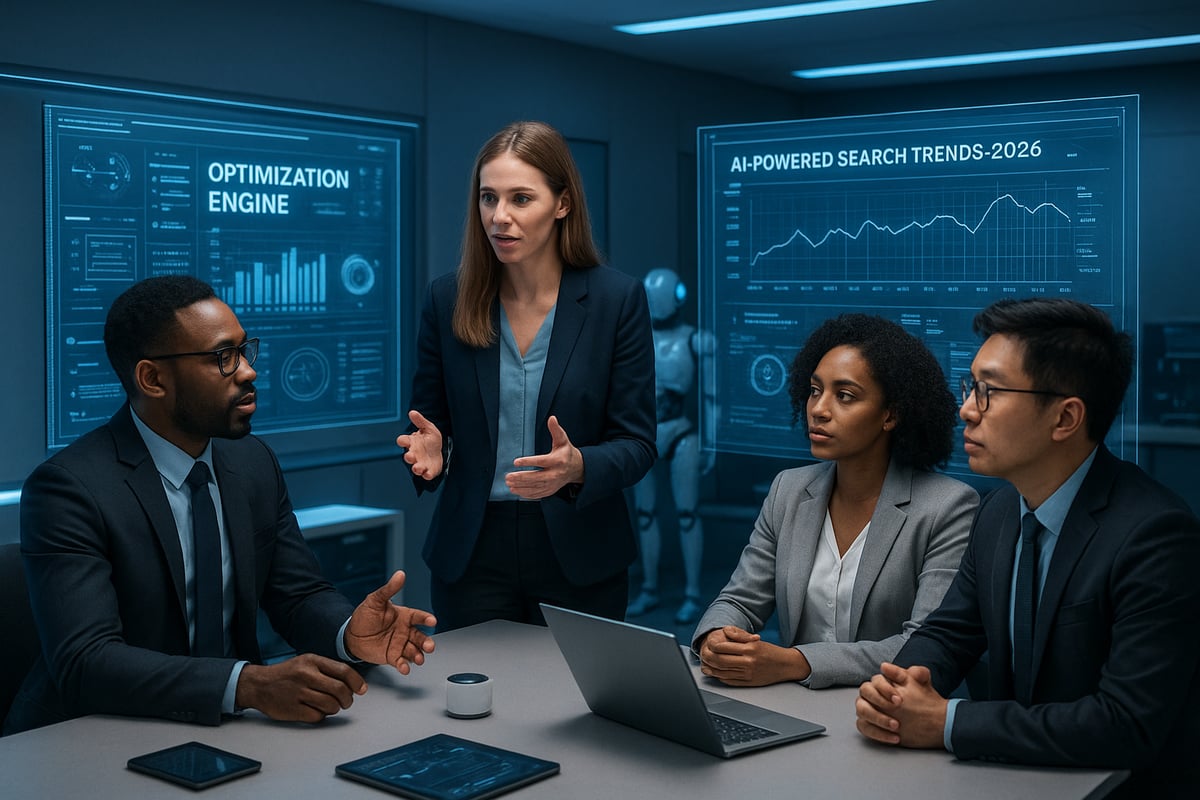
The journey of optimization engines began with simple keyword-based search, but the landscape has shifted dramatically. Today, we see a transition from traditional search to AI-driven synthesis, where engines do more than match keywords—they interpret context, intent, and even emotions.
This evolution is driven by the rise of multi-modal optimization engines. These systems process text, voice, and visual inputs, delivering richer and more personalized results. Generative AI now plays a central role, shaping recommendations and synthesizing information in real-time. For instance, 60 percent of Gen Z users prefer AI-generated answers over classic search according to Statista (2025).
The convergence of SEO, AEO, and GEO means businesses must rethink their digital strategies. No longer is it enough to optimize for search alone. Brands must now adapt to engines that generate, recommend, and synthesize content. For more expert analysis on how AI-powered search is influencing consumer behavior and business strategies, see Winning in the age of AI search.
| Evolution Timeline | Key Milestone | Impact on Optimization Engines |
|---|---|---|
| 2010–2015 | Keyword-based Search | Basic matching, limited personalization |
| 2016–2022 | Machine Learning Rank | Smarter intent detection, RankBrain |
| 2023–2025 | Generative AI Emerges | Contextual, synthesized answers |
| 2026 | Multi-Modal Synthesis | Seamless voice, visual, text discovery |
Key Trends to Watch
Several trends are defining the future of optimization engines. Personalization at scale is now the standard. Engines tailor results to each user, considering preferences, history, and behavior. This focus on the individual delivers greater relevance, but also raises important questions about privacy and data ethics.
Conversational interfaces have become mainstream. Voice assistants, chatbots, and virtual agents are redefining how users interact with optimization engines. Integration with IoT and smart devices is also accelerating, allowing users to access information from anywhere, using any device.
Consider how Amazon Alexa and Google Assistant have expanded the reach of optimization engines into daily life. These platforms not only answer queries but also recommend products, control smart homes, and facilitate transactions. Businesses that embrace these trends gain a significant competitive edge.
Challenges and Opportunities
The evolution of optimization engines introduces both obstacles and opportunities. One major challenge is algorithm transparency. As AI models grow more complex, understanding how results are generated becomes harder. This can make it difficult for marketers and businesses to fine-tune their strategies.
Keeping pace with rapid technological change is another hurdle. New features, platforms, and ranking factors emerge regularly. However, these shifts also present opportunities. Early adopters of advanced optimization engines can dominate new channels and reach audiences before the competition.
To succeed in 2026, organizations must remain agile, invest in continuous learning, and embrace innovation. The businesses that adapt quickly to the changing landscape of optimization engines will lead the next wave of digital discovery.
Step-by-Step Roadmap: Optimizing for Modern Engines in 2026
Mastering optimization engines is essential for thriving in the digital landscape of 2026. As AI and generative technologies reshape how audiences discover and engage with content, a structured approach is crucial. This roadmap provides actionable steps to ensure your digital presence stands out across both search engines and advanced AI-powered platforms.
Step 1: Audit Your Digital Presence
Begin by conducting a comprehensive audit of your digital assets. Examine your website, content, metadata, and structured data for gaps or outdated elements. Optimization engines in 2026 evaluate more than just keywords—they analyze context, structure, and AI compatibility.
Use tools like Screaming Frog, SEMrush, and custom AI analyzers to scan for technical issues and assess your visibility across AI and generative engines. Review your existing schema markup and ensure all pages are indexed correctly. Identify where your brand appears in AI-powered answers and generative summaries.
Create a checklist to track:
- Website crawl errors
- Missing or outdated metadata
- Incomplete or inaccurate schema
- Weak content coverage for AI queries
This audit reveals where your digital presence needs refinement to align with the evolving standards of optimization engines.
Step 2: Align Content with Optimization Engine Algorithms
To earn visibility, align your content strategy with the algorithms powering modern optimization engines. Focus on semantic relevance, user intent, and context rather than relying solely on keyword frequency.
Understand the ranking factors unique to AI and generative engines. Structured data, such as JSON-LD, FAQPage, and HowTo schemas, plays a critical role in making your content accessible for AI parsing. Implementing schema markup increases the likelihood of being featured in AI-generated responses and rich snippets.
For example, adding FAQ schema to high-traffic pages can boost your chances of appearing in conversational AI results. Review your content for clarity, depth, and authority, ensuring it addresses core user questions in a format easily understood by both search engines and AI models.
A table summarizing key ranking factors:
| Factor | Importance in 2026 |
|---|---|
| Semantic Relevance | High |
| Structured Data | Critical |
| Contextual Signals | High |
| Content Freshness | Medium |
Consistently optimizing for these factors strengthens your performance in all types of optimization engines.
Step 3: Embrace Multi-Platform Optimization
Visibility now depends on reaching users across a variety of platforms. Optimization engines like Google, Bing, ChatGPT, Perplexity, and Gemini all have unique requirements. Tailor your content to meet these diverse standards.
Optimize for voice search and conversational AI by crafting content that answers questions succinctly and naturally. Test how your pages perform on smart assistants and chatbots. Use concise language and structured data to make your content easily retrievable by multi-modal engines.
Key strategies include:
- Adapting content for different engines’ formats
- Ensuring fast load times for mobile and IoT devices
- Regularly updating content to reflect emerging AI trends
By embracing multi-platform optimization, you maximize your chances of being discovered wherever your audience searches or interacts.
Step 4: Leverage AI-Driven Tools and Automation
Harness the power of AI-driven platforms to optimize content, monitor performance, and streamline workflows. Tools like Jasper, Clearscope, and Surfer SEO are designed to enhance your content for both search and AI engines.
Automate routine tasks such as site audits, reporting, and topic research with AI-based analytics. These solutions help you identify high-converting topics and track changes in engine algorithms in real time. For actionable strategies on leveraging automation, explore 7 AI Optimization Hacks.
Consider setting up automated alerts for:
- Shifts in keyword rankings
- New AI engine features or updates
- Opportunities for content repurposing
AI-driven automation ensures you stay ahead in the fast-paced world of optimization engines.
Step 5: Measure, Iterate, and Future-Proof
Establish clear KPIs to measure your success across optimization engines. Track metrics like organic traffic, AI answer inclusion, voice search visibility, and conversion rates. Use A/B and multivariate testing to experiment with new content formats and optimization techniques.
Remain agile by regularly reviewing analytics and adjusting your strategy to reflect algorithm updates. Continuous improvement is key to maintaining visibility as optimization engines evolve.
Set up a reporting dashboard to monitor:
- Engine-specific rankings
- AI-generated answer appearances
- User engagement and retention metrics
Future-proof your strategy by staying informed about new trends and tools. The digital landscape will keep changing, but a commitment to measurement and iteration positions you for long-term success.
Essential Tools and Technologies for Optimization Engine Success
Unlocking the full potential of optimization engines in 2026 means using the right mix of tools and technologies. As digital discovery evolves, adopting advanced platforms gives you the edge to stay visible, efficient, and ahead of the competition. Let’s break down the essential categories you need to master.
AI-Powered Content Optimization Platforms
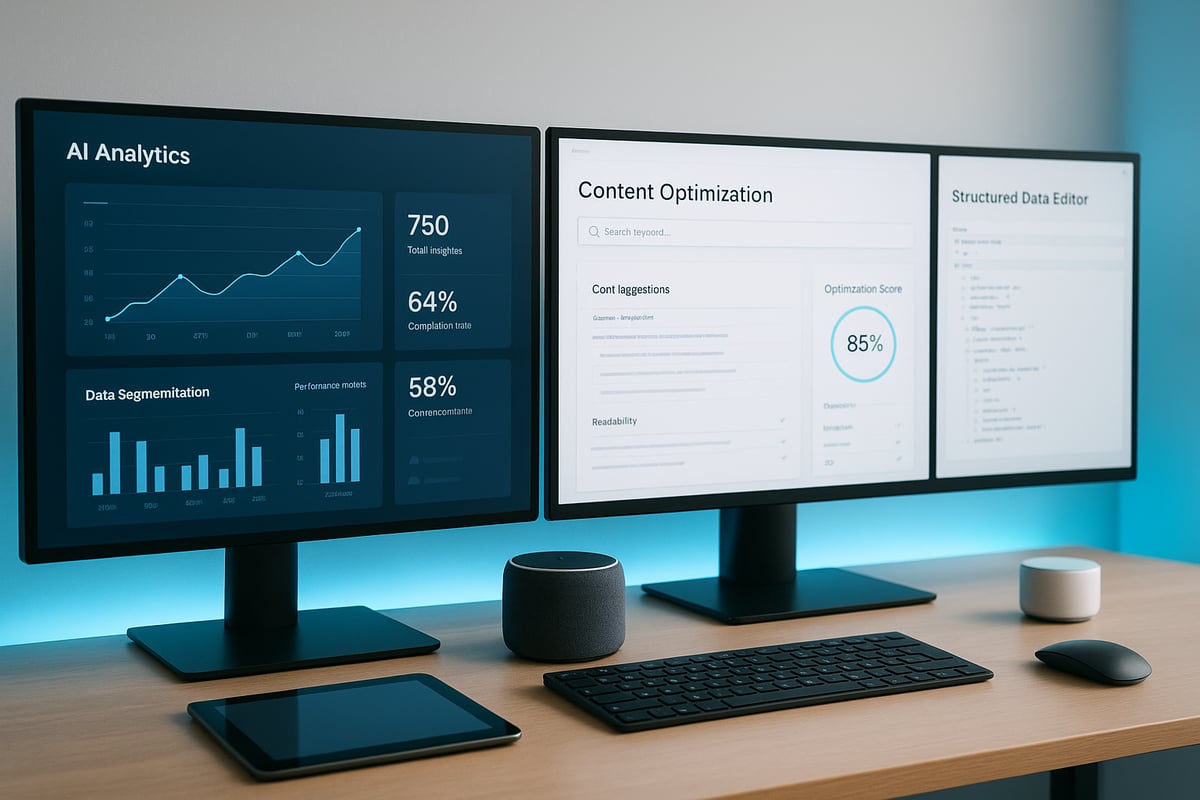
AI-driven platforms are at the heart of optimization engines, transforming how content is created, analyzed, and improved. Tools like Jasper, Surfer SEO, and Clearscope use natural language processing and machine learning to assess content quality, keyword relevance, and semantic depth.
These platforms help ensure your content aligns with both user intent and the criteria used by modern optimization engines. For instance, Jasper can generate tailored drafts, while Surfer SEO delivers real-time suggestions for structure and on-page elements. Clearscope evaluates semantic coverage, guiding you to fill content gaps efficiently.
Adopting these solutions empowers teams to scale content production without sacrificing quality. To explore the intersection of AI technology and optimization engines, see AI and SEO Integration Strategies.
Analytics and Monitoring Solutions
Measuring the impact of your efforts across optimization engines requires robust analytics and monitoring tools. Google Analytics 4 is essential for multi-platform tracking, offering insights into user behavior, traffic sources, and conversion rates.
AI-powered dashboards can combine data from various optimization engines, highlighting trends and anomalies. Custom reporting tools allow you to visualize performance across all touchpoints, including traditional search and AI-driven platforms.
For example, correlating shifts in optimization engine algorithms with traffic spikes can reveal new growth opportunities. These solutions make it easier to adjust tactics based on real-time feedback.
Schema Markup and Structured Data Tools
Structured data is a foundational element for optimization engines, helping them understand and present your content accurately. Tools like Schema.org generators, Rank Math, and Yoast SEO streamline the process of adding schema markup.
By implementing FAQPage, HowTo, and Product schemas, you increase your chances of earning rich results in both search and AI-driven interfaces. Schema markup also supports voice search, chatbots, and other emerging formats powered by optimization engines.
A simple example is using a FAQ schema to boost visibility for common questions, making your content more discoverable across platforms.
Automation and Workflow Management
Automation is key to scaling your optimization engines strategy in 2026. Platforms like Zapier and Make (formerly Integromat) connect your analytics, content, and reporting tools, reducing manual work and minimizing errors.
AI-based automation can monitor optimization engines for algorithm changes, trigger alerts, and update content recommendations. This streamlines workflows, allowing teams to focus on higher-level tasks.
By automating repetitive processes, you maintain agility and ensure your optimization engines strategy adapts quickly to new trends.
Staying Updated: Industry Resources
Staying ahead in the world of optimization engines requires constant learning. Subscribe to leading blogs, newsletters, and online communities focused on AI, digital marketing, and search technology.
Attend conferences and webinars to hear from industry experts about the latest advancements in optimization engines. Networking with peers helps you exchange ideas and discover new tools that fit your evolving needs.
Keeping your knowledge current ensures your optimization engines strategy remains effective, no matter how the landscape shifts.
Future-Proofing Your Optimization Strategy for 2026 and Beyond
Staying ahead in 2026 means future-proofing your approach to optimization engines. As AI and machine learning evolve rapidly, businesses must continually refine strategies to maintain visibility and trust. In this section, explore how to build agility, expand cross-platform reach, anticipate AI advancements, and prioritize privacy, all while keeping optimization engines at the core of your digital strategy.
Building Agility into Your Optimization Approach
Agility is vital for thriving in a world powered by optimization engines. Digital landscapes shift quickly, and algorithms are updated without warning. To stay competitive, adopt agile workflows that emphasize rapid testing, learning, and adaptation.
Encourage your team to experiment with new optimization engines and emerging techniques. Use regular sprints to review results and adjust tactics. This mindset helps you respond to algorithm changes swiftly, keeping your brand visible and effective.
Consider building a knowledge base that tracks updates in optimization engines. This resource supports continuous learning and ensures your team always operates with the latest insights.
Investing in Cross-Platform and Cross-Device Visibility
Optimization engines are now deeply integrated across web, mobile, voice, and IoT devices. Users expect seamless experiences, no matter where or how they search. To remain visible, optimize content and technical infrastructure for every device and platform.
Create content that adapts gracefully to screens of all sizes. Structure your data for both traditional and AI-driven optimization engines. Leverage responsive design, AMP, and schema markup for better discoverability.
Monitor analytics to identify where your audience engages most. This data-driven approach ensures your resources are focused on channels where optimization engines deliver the highest impact.
Preparing for the Next Wave: Predictive and Generative Search
The next evolution in optimization engines is predictive and generative search. AI models now anticipate user intent, synthesizing personalized answers in real time. To stay ahead, prepare your content for conversational AI and dynamic synthesis.
Implement structured data and conversational schema to make your content accessible to these advanced optimization engines. Stay informed about the latest techniques by exploring resources like Generative Engine Optimization Explained.
Review emerging trends regularly and test how generative search engines interpret your content. Early adopters gain a distinct advantage in visibility and engagement.
Privacy, Ethics, and Trust in Optimization
As optimization engines grow more sophisticated, privacy and ethics must remain a top priority. Users want transparency and control over their data. Comply with regulations such as GDPR and CCPA, and communicate clearly about your data practices.
Build trust by using optimization engines responsibly. Avoid manipulative tactics and prioritize user experience. Regularly audit your systems to ensure data is handled securely and ethically.
Transparency not only keeps you compliant but also strengthens your brand’s reputation. Trust is a crucial differentiator in a landscape dominated by optimization engines.
Key Takeaways and Action Steps
To future-proof your optimization engines strategy, focus on agility, cross-platform reach, innovation, and ethical practices. Stay informed about new developments and adapt your workflows to meet the demands of evolving optimization engines.
Action steps:
- Audit your current optimization engines approach.
- Invest in training and knowledge sharing.
- Expand visibility across all platforms and devices.
- Prepare content for predictive and generative AI.
- Commit to privacy and ethical standards.
For added impact, consider implementing schema markup such as FAQPage or HowTo to enhance your content’s discoverability by optimization engines. Continuous learning and adaptation are your best tools for long-term success.
FAQ: Optimization Engines in 2026
Curious about optimization engines in 2026? Here are answers to the most common questions to help you navigate this evolving landscape.
-
What is an optimization engine and how is it different from a search engine?
Optimization engines are advanced systems that blend AI, machine learning, and algorithms to analyze, recommend, and personalize digital content. Unlike classic search engines, optimization engines drive discovery across multiple platforms, not just through keyword queries. -
How do I optimize for AI-powered engines like ChatGPT or Perplexity?
Focus on intent, context, and structured data, ensuring your content is relevant and easily understood by AI models. -
What are the most important ranking factors for optimization engines in 2026?
User intent, semantic relevance, structured data, and engagement signals are key. -
How can small businesses compete with larger brands in the era of optimization engines?
By leveraging niche expertise, agility, and AI tools, small businesses can boost visibility even as AI tool adoption jumps to 38% among digital marketers. -
Are there risks to over-optimizing for AI and generative engines?
Yes. Excessive optimization can reduce authenticity and may trigger algorithmic penalties. -
How often should I update my optimization strategy?
Review and refresh your strategy quarterly to stay aligned with evolving algorithms. -
What tools are essential for optimization engine success in 2026?
AI-powered content platforms, analytics tools, and schema markup generators are vital.Now that you have a clearer roadmap for thriving in 2026’s evolving digital landscape, the next step is putting these strategies into action. Whether you want to strengthen your visibility across traditional search engines or emerging AI platforms, it helps to have an expert partner to guide your journey. I invite you to connect with us at Next Engine Optimization NEO, where we blend proven SEO with cutting edge AI and generative engine optimization—no long term commitments, just real results. If you’re ready to future proof your business and stay ahead of the curve, Book a call to start your personalized optimization journey today.