
Are you ready for the seismic shifts coming to seo engine search in 2025? Search engines are evolving rapidly, driven by breakthroughs in AI and changing user behavior. This year marks a turning point, demanding a new strategy for anyone serious about online visibility.
This guide is designed to help you master seo engine search, combining proven best practices with the latest AI-driven and multi-platform optimization techniques. Imagine gaining more visibility, driving higher traffic, and building a future-proof online presence.
Inside, you will discover step-by-step methods for dominating rankings on Google and emerging AI platforms. We will cover technical SEO, content strategies, AI integration, authority building, and essential tools for ongoing success.
Curious about what it takes to stay ahead? Dive in and unlock the blueprint for SEO mastery in 2025.
Understanding the 2025 SEO Engine Search Landscape
The seo engine search landscape in 2025 is undergoing rapid transformation, impacting how websites are discovered and ranked. To stay ahead, it is crucial to grasp the evolution of search technology, shifts in user behavior, and the new factors that shape visibility across both traditional and AI-driven platforms.
The Evolution of Search Engines
Search engines have evolved dramatically from their early days of simple keyword matching. Initially, seo engine search was about stuffing pages with targeted keywords. Over time, algorithms began prioritizing user intent, context, and semantic meaning.
In 2024 and 2025, Google introduced major algorithm updates that prioritize helpful content, user experience, and AI-driven understanding. These updates have shifted the focus from basic optimization to delivering real value and expertise.
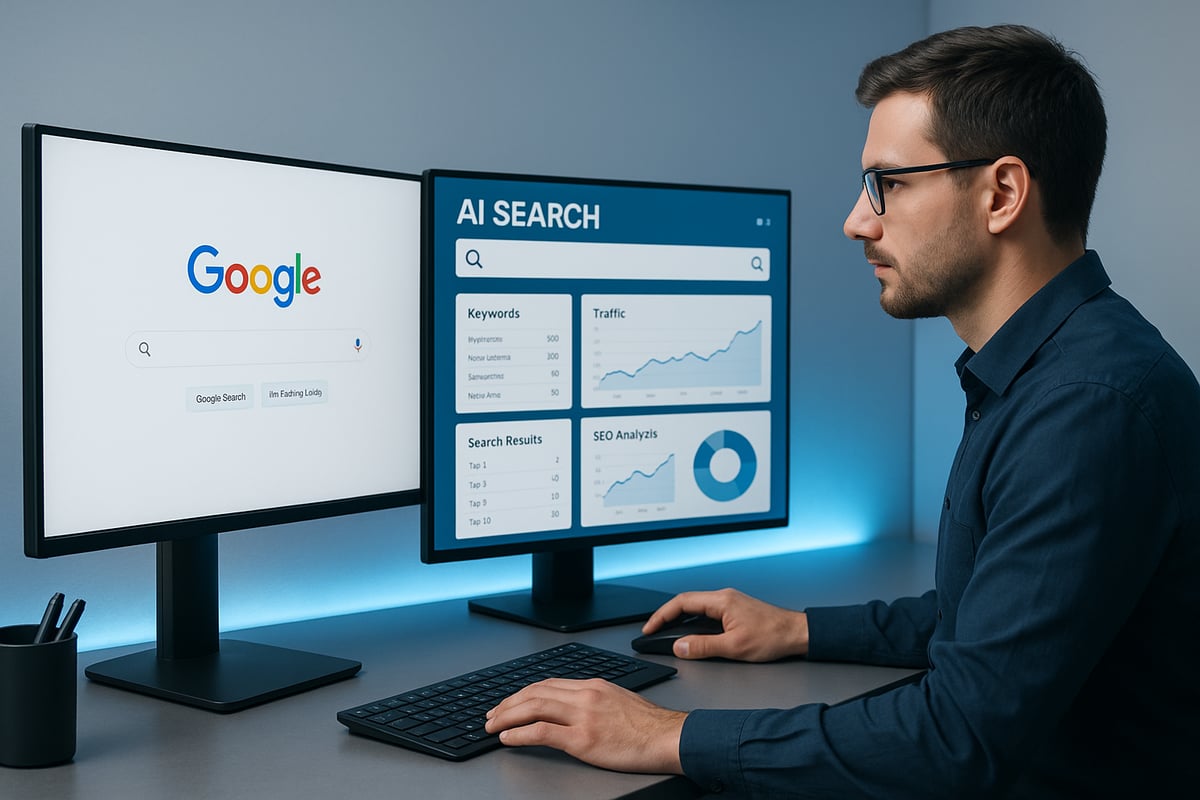
The rise of AI-powered engines like ChatGPT, Perplexity, and Claude has transformed how users interact with search. Voice search is now mainstream, and over 60% of queries include an AI-generated or semantic component, according to Moz. User behavior has changed as a result, with more conversational searches, multi-device browsing, and the prevalence of zero-click results.
Google’s experimental AI-only search engine highlights this shift, showing how generative technology is reshaping the future of seo engine search. Adapting to these changes is essential for any effective optimization strategy.
Key Ranking Factors in 2025
Ranking in seo engine search now requires a multifaceted approach. User experience (UX) is at the core, with Core Web Vitals such as page load speed, interactivity, and visual stability playing a critical role. Mobile-first indexing is the norm, as more users access search on phones and tablets.
Content quality remains vital. Google rewards pages that demonstrate E-E-A-T—Experience, Expertise, Authoritativeness, and Trustworthiness. Authority signals such as high-quality backlinks, brand mentions, and topical clusters help establish trust.
Structured data and schema markup are increasingly important. These tools enable search engines to understand content contextually, supporting rich snippets and voice search results. AI and generative search engines now interpret content beyond keywords, analyzing relevance, structure, and utility.
Websites must combine technical excellence with valuable, well-organized content to excel in modern seo engine search.
The Importance of Multi-Platform Optimization
The boundaries of seo engine search have expanded beyond traditional engines. Google and Bing still dominate, but AI engines and voice assistants like Alexa now play a significant role. Each platform interprets and ranks content differently.
Multi-platform optimization means ensuring your site is visible wherever users search. For example, a query about “best running shoes” will surface different results on Google, ChatGPT, and Alexa, reflecting each engine’s unique algorithms and data sources.
To succeed, focus on optimizing for both traditional and AI-driven platforms. This includes using structured data, conversational content, and ensuring responsive design. Consider the user’s complete journey, from desktop to mobile to smart devices.
A comparative table can help clarify the differences:
| Platform | Ranking Focus | User Behavior |
|---|---|---|
| Google/Bing | Keywords, E-E-A-T, UX | Clicks, browsing |
| AI Engines | Context, conversation | Summaries, citations |
| Voice Assistants | Direct answers, schema | Spoken queries |
Embracing this multi-platform approach to seo engine search positions your site for maximum visibility and engagement in 2025.
Step 1: Technical SEO Foundations for 2025
Mastering technical SEO is the cornerstone of dominating the seo engine search landscape in 2025. With search engines and AI platforms now prioritizing performance, accessibility, and structured data, building a strong technical foundation is non-negotiable. Whether you are new to optimization or refining your skills, start with the essentials and follow practical steps for SEO success to ensure your site is future-ready.
Ensuring Crawlability and Indexation
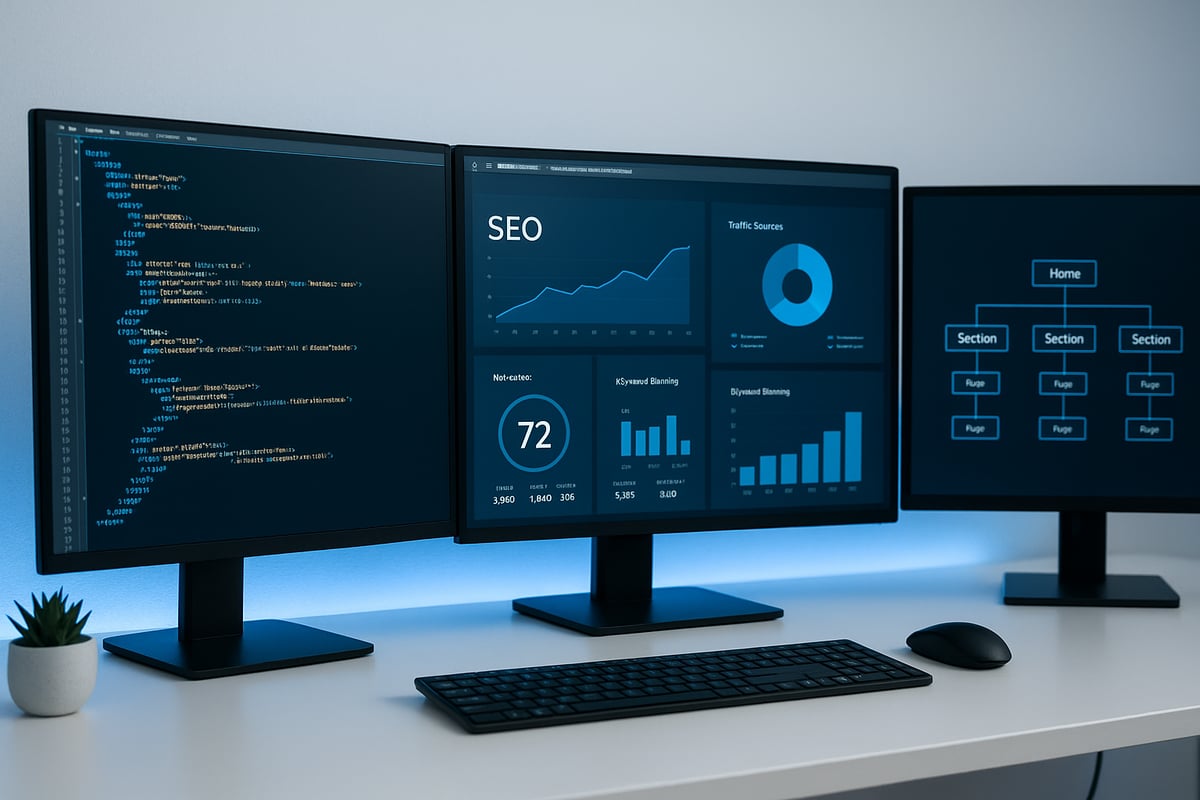
Search engines rely on efficient crawling and indexing to understand your site. For optimal seo engine search performance, ensure your XML sitemap is up to date and submitted to Google Search Console. Maintain a clean robots.txt file to avoid accidentally blocking important pages.
A well-organized site architecture helps both users and bots navigate your content. Prioritize mobile-first design, as Google's index now covers 100 percent of websites with this approach. Responsive layouts and clear navigation menus are crucial for seamless discovery across devices.
- Submit updated XML sitemaps regularly
- Audit robots.txt for accidental disallows
- Use breadcrumb navigation for clarity
Core Web Vitals and Site Performance
In 2025, Core Web Vitals are a top ranking factor in seo engine search. Focus on three core metrics: Largest Contentful Paint (LCP), First Input Delay (FID), and Cumulative Layout Shift (CLS). Sites that meet these thresholds consistently see lower bounce rates and higher engagement.
Optimize images with next-gen formats, compress scripts, and leverage browser caching to boost speed. Monitor your site with PageSpeed Insights and address any flagged issues promptly.
- Compress large images to reduce LCP
- Minimize JavaScript for lower FID
- Prevent layout shifts with defined image sizes
Advanced Schema Markup and Structured Data
Structured data is critical for standing out in seo engine search results. Implement schema for articles, products, FAQs, and reviews to enable rich snippets and voice search readiness. Use JSON-LD format for compatibility and future-proofing.
FAQ schema, for instance, can increase your click-through rate significantly by making your answers eligible for featured snippets. Always test your markup using Google's Rich Results Test.
- Article, product, FAQ, and review schema
- Use JSON-LD for structured data
- Test markup for errors and completeness
Security, Accessibility, and Compliance
Security and accessibility are now essential for seo engine search. An HTTPS connection is the baseline for trust and ranking. Ensure your site meets ADA and web accessibility standards by using semantic HTML, alt text for images, and keyboard-friendly navigation.
Accessible websites reach broader audiences and perform better in search. Regularly audit your site for compliance and fix any gaps promptly.
- Enable HTTPS throughout your site
- Add alt text to all images
- Use semantic HTML for structure
Internal Linking and URL Structure
Effective internal linking supports crawlability and distributes authority across your site, directly impacting seo engine search rankings. Create logical, easily crawlable internal links that guide users and bots to related content.
Craft keyword-rich, descriptive URLs for every page. Sites with robust internal linking typically see a greater number of pages indexed and more organic traffic.
- Link to relevant internal resources within content
- Use short, descriptive URLs with target keywords
- Regularly audit for broken or orphaned links
Step 2: Content Optimization for AI and Search Engines
In 2025, content optimization is more dynamic than ever. To succeed in seo engine search, you need to blend classic strategies with new AI-focused techniques. This section breaks down exactly how to build content that thrives on both traditional search engines and AI-driven platforms.
Keyword Research in the Age of AI
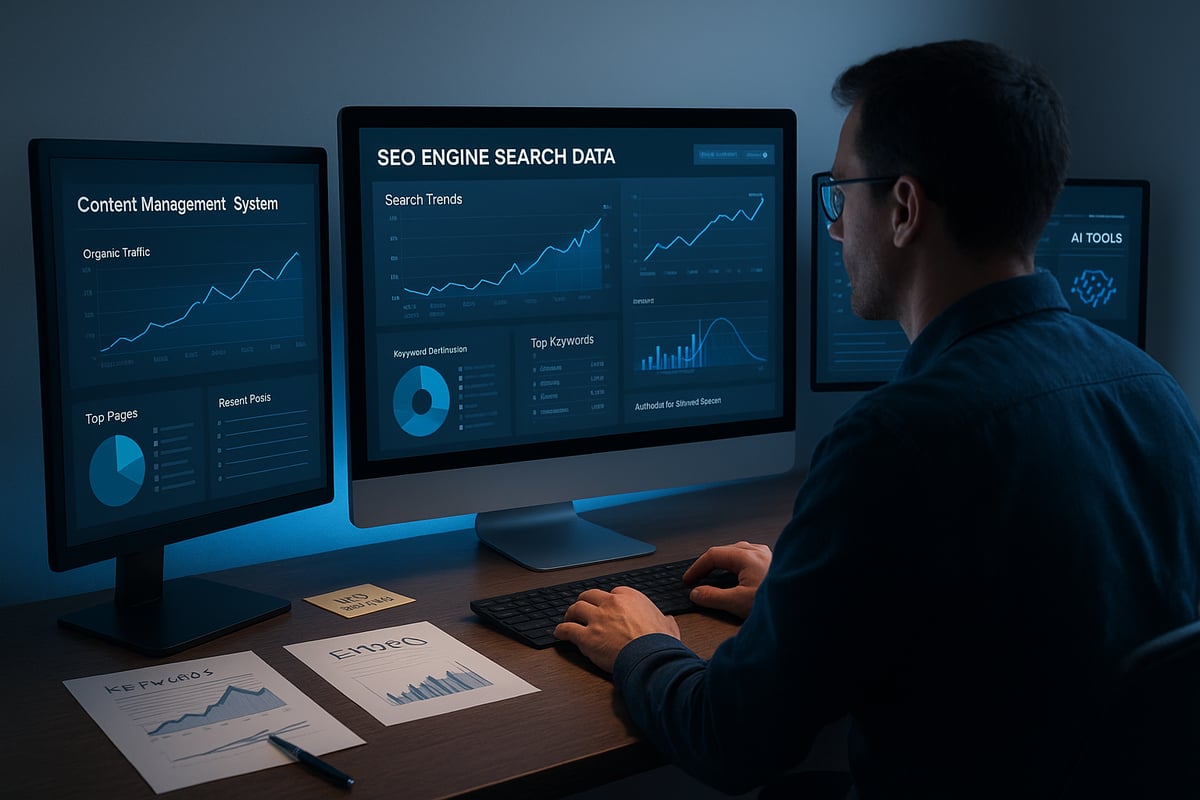
Keyword research for seo engine search now goes well beyond simple lists. AI-driven tools help you uncover intent-based and semantic variations that traditional methods miss. These platforms analyze user behavior, conversational queries, and trending topics in real time.
Modern keyword research blends short-tail, long-tail, and question-based keywords. For example, instead of only targeting "running shoes," you might target "best running shoes for flat feet" or "what are the top running shoes in 2025?" AI keyword tools can reveal twice as many semantic opportunities, helping you stay ahead in seo engine search.
To deepen your strategy, explore Generative Engine Optimization Insights for actionable guidance on optimizing for AI-powered engines.
Creating High-Quality, Search-Optimized Content
Content quality is the backbone of seo engine search performance. Search engines and AI models look for E-E-A-T: Experience, Expertise, Authoritativeness, and Trustworthiness. Every piece should demonstrate these qualities.
Use clear H1-H3 headings, logical flow, and break up text with images, videos, or interactive elements. For instance, pages with embedded video see 53 percent higher engagement. Consider this table for content types and their average engagement rates:
| Content Type | Engagement Boost |
|---|---|
| Video | +53 percent |
| Infographics | +32 percent |
| Interactive | +44 percent |
Building high-quality content ensures your site stands out in competitive seo engine search results.
Optimizing for Featured Snippets and Rich Results
Featured snippets are now a critical target in seo engine search. Nearly half of Google queries show a snippet, and AI engines often use these to generate answers. To optimize, format your content with concise answers, bullet lists, and tables.
Use question-based headings and provide direct, clear responses. For example:
- What is seo engine search?
- How do I optimize for featured snippets?
Implement structured data like FAQ schema for better snippet eligibility. Here’s a sample FAQ schema:
{
  "@context": "https://schema.org",
  "@type": "FAQPage",
  "mainEntity": [{
    "@type": "Question",
    "name": "What is seo engine search?",
    "acceptedAnswer": {
      "@type": "Answer",
      "text": "Seo engine search is the practice of optimizing content for both traditional and AI-driven search engines."
    }
  }]
}
Content Accessibility and Readability
Accessible content is essential for both users and seo engine search. Write in clear, concise language, and use proper heading hierarchy for easy navigation. Always include descriptive alt text for images and ensure links are meaningful.
Accessible content not only improves rankings but also broadens your audience. Studies show accessible sites enjoy higher user retention and lower bounce rates. Aim for a reading level that matches your target audience, making information digestible for both humans and AI engines.
Internal and External Linking Strategies
A robust linking strategy is vital for seo engine search. Internally, link to relevant pages and pillar content to guide users and search bots. Use descriptive anchor text that matches the linked content’s intent.
Externally, reference authoritative sources to build trust and topical authority. Here’s a quick checklist:
- Link to related internal guides or services
- Reference reputable industry sources
- Use keyword-rich anchor text naturally
Strong linking increases average session duration and helps search algorithms map your content’s depth and relevance in seo engine search.
Content Freshness and Topical Authority
Regularly update your content to maintain visibility in seo engine search. Search engines and AI platforms favor fresh, accurate information. Build topical clusters by interlinking related articles and creating comprehensive pillar pages.
Sites with active blogs receive 55 percent more traffic. Set a schedule to review and refresh key pages quarterly. This approach signals to search engines that your content is current and authoritative, supporting long-term success in seo engine search.
Step 3: Building Authority and Earning Trust in 2025
Establishing authority and trust is the cornerstone of seo engine search success in 2025. As algorithms become more sophisticated, search engines and AI platforms now scrutinize not just what you say, but who backs you, how users interact with your brand, and the signals you send across the web.

Link Building in a Post-Penguin Era
Link building remains a vital pillar of seo engine search, but tactics have evolved. Search engines prioritize quality over quantity, rewarding backlinks from authoritative, relevant sources. Focus on earning links through original research, industry studies, and thought leadership content. Outreach to respected sites, especially those with .edu or .gov domains, can elevate your authority. Be wary of shortcuts—spammy or irrelevant links can trigger penalties and erode trust. For a deeper dive into avoiding common missteps, explore Common SEO Investment Pitfalls for practical solutions that protect your investment.
Brand Mentions and Digital PR
In 2025, search engines use brand mentions—both linked and unlinked—as a strong authority signal in seo engine search. Digital PR campaigns help amplify your presence by getting your brand featured in reputable publications, podcasts, and industry roundups. Build relationships with journalists and influencers to secure organic mentions. Data from Moz shows that digital PR can increase referring domains by 30 percent, directly boosting your authority. Track your brand mentions and respond promptly to maximize their impact.
User Engagement and Behavioral Signals
User engagement is a critical ranking factor for seo engine search. High-quality pages that encourage comments, shares, and repeat visits send positive behavioral signals to search engines and AI platforms alike. Reduce bounce rates by delivering relevant content that matches search intent. Pages with strong engagement not only rank higher but also foster loyalty and community. Use interactive elements, clear calls to action, and encourage users to spend more time exploring your site.
Reviews, Testimonials, and Social Proof
Trust is built through authentic reviews and testimonials, making them essential for seo engine search. Showcase user feedback prominently, integrating both first-party testimonials and third-party ratings. According to Moz, 88 percent of users trust online reviews as much as personal recommendations. Collect reviews through follow-up emails, social media prompts, or onsite widgets. Social proof not only improves rankings but also increases conversion rates, making your brand more credible in the eyes of both users and search engines.
Local SEO and Niche Authority
Local optimization is indispensable for businesses targeting regional audiences or specific industries within seo engine search. Ensure your Google Business Profile is fully optimized with accurate information, photos, and recent posts. Build citations on local and industry-specific directories to reinforce your authority. Local searches drive action—78 percent of local queries lead to in-store visits within 24 hours. Establishing niche authority through specialized content and community involvement further strengthens your search presence.
Step 4: AI Engine Optimization (AEO) and Generative Search
The landscape of seo engine search is changing rapidly as AI-driven and generative engines take center stage. To stay ahead, marketers and site owners must adapt their strategies for these new technologies. This section offers a blueprint for optimizing your content and technical setup for AI engines, ensuring your brand remains visible no matter how users search.
Understanding AI and Generative Search Engines
AI-powered engines such as ChatGPT, Bing AI, and Perplexity are transforming seo engine search by interpreting queries in a conversational context and generating summarized answers. Unlike traditional engines that rely on ranking pages, these platforms often synthesize information from multiple sources and may cite or paraphrase your content rather than linking directly.
The main difference lies in the way AI engines understand and deliver results. While Google focuses on page rankings and snippets, AI-driven engines prioritize context, relevance, and intent. For a deeper dive into how generative engines work, see this Generative Engine Optimization Overview.
Adapting to this shift is critical for anyone invested in seo engine search success.
Optimizing Content for AI Discovery
To maximize visibility in seo engine search, structure your content so AI models can easily parse and understand it. Use clear, question-based headings and provide direct, concise answers within your text. Incorporate semantic HTML elements, such as <article>, <section>, and <header>, to clarify the role of each content block.
Implement structured data with schema markup for articles, products, FAQs, and reviews. This not only enables rich snippets but helps AI engines extract relevant data for their summaries.
Tips for AI-focused optimization:
- Write in a conversational tone to match how users phrase queries
- Use bullet points, lists, and tables for clarity
- Update content regularly with new facts and insights
Multi-Platform Content Syndication
Modern seo engine search is no longer limited to Google. Users are searching via AI assistants, voice platforms, and visual search tools. To reach your audience everywhere, syndicate your high-value content across multiple channels, including Bing, Google, ChatGPT plugins, and smart devices.
Consider these strategies:
- Republish blog posts as voice-friendly FAQs
- Optimize images for visual search engines
- Submit content feeds to AI discovery platforms
A multi-platform approach ensures your brand remains visible whether users are typing, speaking, or interacting with AI-driven devices.
Monitoring and Measuring AI Visibility
Traditional seo engine search metrics like rankings and organic traffic remain important, but AI visibility requires new measurement strategies. Track how often your content is cited or summarized by AI platforms. Use specialized tools to monitor mentions in generative search outputs and identify which topics are driving AI-based engagement.
Key metrics to watch:
- AI-generated citations and mentions
- Traffic from non-traditional sources (AI platforms, voice assistants)
- User engagement and dwell time from AI-driven referrals
Adjust your optimization efforts based on performance data to maintain a competitive edge.
Future-Proofing Your SEO Strategy
Staying ahead in seo engine search means embracing continuous learning and experimentation. Follow algorithm updates from Google and leading AI platforms. Join industry webinars, read authoritative blogs, and test new approaches regularly.
Invest in developing skills around structured data, conversational content creation, and cross-platform optimization. By staying proactive, you can ensure your seo engine search strategy remains effective as search technology evolves.
Step 5: Measuring Success and Continuous Optimization
Mastering seo engine search in 2025 is not just about launching an optimized website. The real advantage comes from measuring your results, adapting to new trends, and continuously refining your approach. Success today means tracking the right metrics, using advanced analytics, and staying agile in the face of constant change.
Setting Up SEO Analytics and Reporting
The first step in effective seo engine search measurement is building a robust analytics framework. Start by integrating Google Analytics 4 and Google Search Console to monitor traffic, rankings, and user engagement.
Complement these with specialized tools like Moz Pro or SEMrush for deeper keyword and backlink analysis. For AI engine visibility, consider platforms that track citations and mentions from generative search engines.
Set up automated reports to provide regular insights. Use dashboards to visualize key performance indicators, making it easy to spot trends and act quickly.
Core SEO Metrics to Monitor in 2025
Tracking the right metrics is essential for seo engine search success. Focus on both traditional and emerging indicators:
| Metric | Description | Why It Matters |
|---|---|---|
| Organic Visibility | Share of search impressions | Measures reach and exposure |
| Click-Through Rate (CTR) | % of users clicking your result | Indicates relevance and appeal |
| Bounce Rate | % leaving after one page | Reflects user satisfaction |
| AI Engine Citations | Mentions by AI search platforms | Shows content authority in AI search |
| Non-Traditional Search Traffic | Traffic from voice, visual, or AI sources | Expands your reach |
As AI transforms search, monitoring these metrics helps you adapt. For more on how AI is reshaping seo engine search, see AI’s Influence on SEO Strategies.
SEO Audits and Ongoing Site Health Checks
Regular site audits are vital for maintaining strong seo engine search performance. Conduct technical audits to uncover crawl errors, broken links, and slow-loading pages.
Review your content for freshness and accuracy. Use tools to scan for duplicate content and ensure schema markup is current. Monthly health checks help you catch issues before they impact rankings.
Document audit findings and prioritize fixes. This proactive approach keeps your site in peak condition and ready for future algorithm updates.
Agile SEO: Testing and Iteration
Continuous improvement is the hallmark of winning seo engine search strategies. Embrace agile SEO by running A/B tests on titles, meta descriptions, and content layouts.
Experiment with new content formats and monitor user behavior. Use insights from analytics to inform your next optimization cycle. For expert help with ongoing content creation and optimization, explore Blog Services for SEO Growth.
Stay flexible, adjust tactics based on what works, and never stop testing.
Staying Ahead: Trends and Updates
The seo engine search landscape evolves rapidly. Stay informed by following industry leaders, attending webinars, and reading authoritative blogs.
Sign up for alerts on algorithm changes and review the latest research on AI in search. Engage with professional communities to share insights and anticipate shifts.
Invest in continuous learning to future-proof your strategy. Proactive adaptation is the key to long-term seo engine search dominance.
FAQ: Seo Engine Search in 2025
Staying ahead in seo engine search means understanding what’s changing and how you can adapt. Here are answers to the most pressing questions about mastering seo engine search in 2025.
What is the biggest change in SEO engine search for 2025?
The most significant shift is the rise of AI-powered and generative engines, which now play a major role in how results are displayed and monetized. According to AI’s Impact on Search Advertising, AI-driven search advertising is set for rapid growth, reflecting how AI is reshaping the landscape.
How can I optimize for both Google and AI search engines?
To succeed in seo engine search across platforms, prioritize structured data, clear answers, and conversational content. Syndicate your content to reach users on traditional and AI-powered engines alike.
Do backlinks still matter in 2025?
Yes, backlinks remain crucial for seo engine search. However, quality and relevance now outweigh quantity. Focus on earning links from authoritative, topic-related sources to boost your rankings.
How important is accessibility for SEO?
Accessibility is vital in seo engine search. Sites that are accessible serve a broader audience and consistently achieve higher rankings. Implement features like alt text, clear navigation, and semantic HTML for best results.
What tools should I use for SEO analytics in 2025?
Leverage Google Analytics 4, Search Console, Moz Pro, and emerging AI visibility trackers. These tools help monitor your seo engine search performance across both traditional and AI-driven platforms.
How often should I update my SEO strategy?
Review your seo engine search strategy quarterly or after major algorithm updates. Staying current ensures you keep pace with evolving search technologies and user behaviors.
How do I measure success in AI engine optimization?
Track citations, mentions, and traffic from AI search platforms alongside classic seo engine search metrics. This holistic approach gives a clear view of your multi-platform visibility.
As you’ve seen throughout this guide, mastering SEO in 2025 is all about blending proven fundamentals with the latest AI-driven strategies—ensuring your business is visible on Google and tomorrow’s emerging platforms. If you’re ready to take your optimization efforts to the next level and want expert guidance tailored to your unique goals, I invite you to connect directly. Let’s talk through your challenges and craft a roadmap that keeps you ahead of the search curve—without long term contracts or hidden fees.
Book a call
and let’s unlock your digital potential together.