

Is your website prepared for the next era of seo optimization seo? Search behavior is rapidly evolving, and 2026 will bring unprecedented shifts that could impact your organic visibility.
Did you know that organic search is responsible for 53% of all website traffic, and Google processes more than 8.5 billion searches every day? With new AI-driven platforms and changing user habits, the risk of losing valuable traffic is higher than ever.
This guide will help you understand the latest ranking factors, AI-powered search trends, and essential strategies to strengthen your digital presence. You will learn how to optimize your site for both traditional search engines and the next generation of AI search.
Take action now to secure your rankings and future-proof your business. Dive in and discover what it takes to succeed with seo optimization seo in 2026.
The Evolution of SEO: Trends & Search Landscape in 2026
Staying ahead in seo optimization seo means understanding how the search landscape is evolving faster than ever. The next few years will see search engines and user behaviors transform, demanding new strategies for digital visibility. Let us explore the key trends shaping seo optimization seo for 2026 and what they mean for your website's future.
The Shift from Traditional to AI-Driven Search
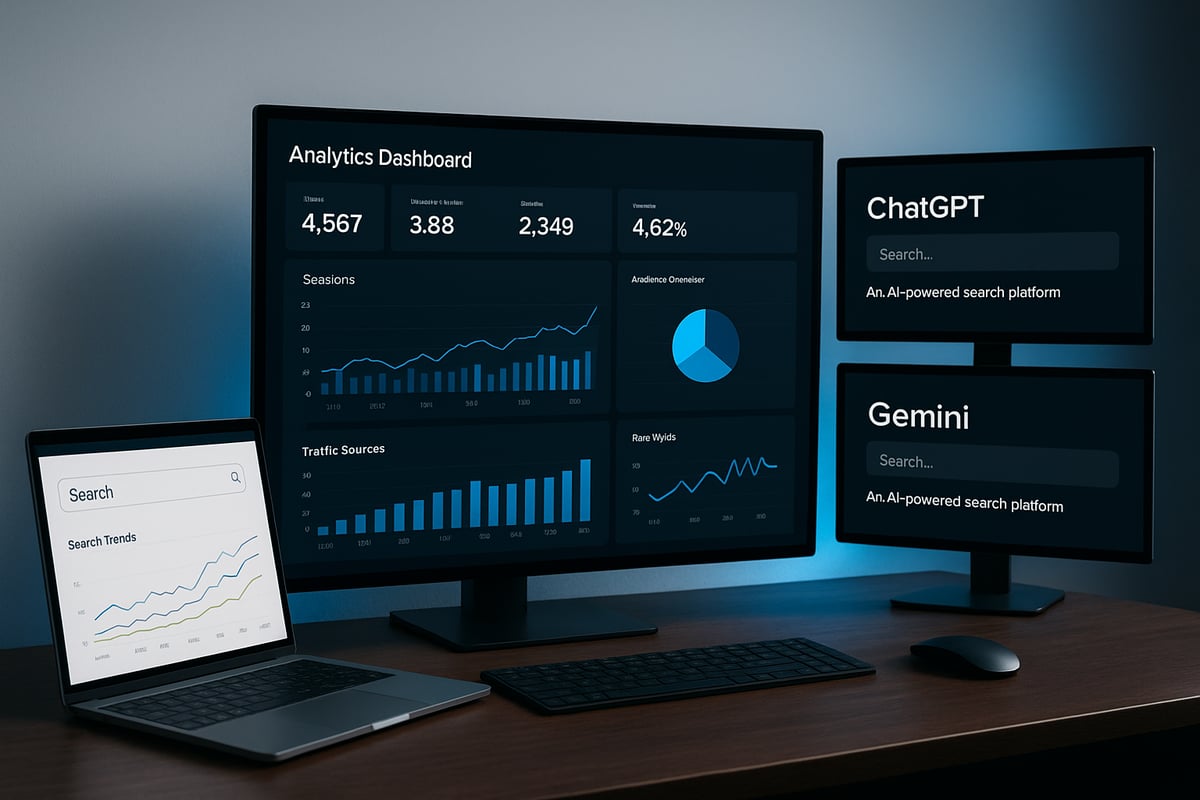
The rise of AI platforms like ChatGPT, Gemini, Claude, and Perplexity is fundamentally changing how people search online. Instead of relying solely on Google, users are now turning to conversational AI, visual search, and voice assistants to find answers. In fact, 51 percent of Gen Z women begin searches on TikTok, showing just how fragmented the search ecosystem has become.
Unlike traditional search, generative engines deliver AI Overviews, featured snippets, and People Also Ask (PAA) boxes directly in the results. This shift means that seo optimization seo now requires visibility on both classic search engines and on AI-powered platforms. Businesses that focus only on Google risk losing visibility as users explore new ways to discover information.
User behavior is also evolving. Searches are more conversational, often spanning multiple platforms and devices. Voice queries, visual recognition tools, and AI chatbots are all part of the modern search journey. As a result, generative SERP features are gaining prominence, and search fragmentation is forcing marketers to rethink their strategies.
The impact is massive. According to industry forecasts, the SEO industry is expected to surpass $122 billion by 2028. Keeping up with these trends is crucial, as highlighted in this overview of Google’s AI Overviews impact on search behavior, which details how AI-driven features are reshaping user engagement and website traffic.
To succeed in seo optimization seo, brands must optimize for both Google and emerging AI engines, ensuring their content is accessible, authoritative, and adaptable across platforms.
Key Search Engine Algorithm Updates and Their Impact
From 2024 to 2026, search engines have rolled out significant algorithm updates that directly affect seo optimization seo. Google, for example, has doubled down on E-E-A-T—Experience, Expertise, Authoritativeness, and Trustworthiness—as a core ranking principle. This means that not only the quality of your content matters, but also the credibility of your authors and sources.
AI now plays a major role in evaluating content quality and user intent. Large Language Models (LLMs) assess structure, context, and signals of authority within your site. If your technical SEO is lacking, such as slow site speed or poor mobile experience, your rankings in both traditional and AI-generated results can suffer.
Core Web Vitals—Largest Contentful Paint (LCP), First Input Delay (FID), and Cumulative Layout Shift (CLS)—have become essential metrics for ranking and user retention. Sites that load quickly, are secure (HTTPS), and provide a stable browsing experience perform better in search.
Semantic search is another major development. Search engines now understand context and relationships between topics much more effectively. This means that content optimized for user intent, with clear entity relationships and structured data, is favored by both Google and AI engines.
To keep up with these changes in seo optimization seo, continuously monitor your site's performance, adapt to new ranking factors, and invest in high-value content that satisfies both users and AI systems. Staying agile is the key to thriving in the rapidly shifting SEO landscape.
Core Pillars of SEO Optimization for 2026
Staying ahead in the digital landscape requires a strong understanding of the core pillars that drive seo optimization seo in 2026. These pillars—technical SEO, on-page SEO, and off-page SEO—work together to build a resilient foundation for your website's visibility and authority.
Technical SEO: Foundation for Visibility
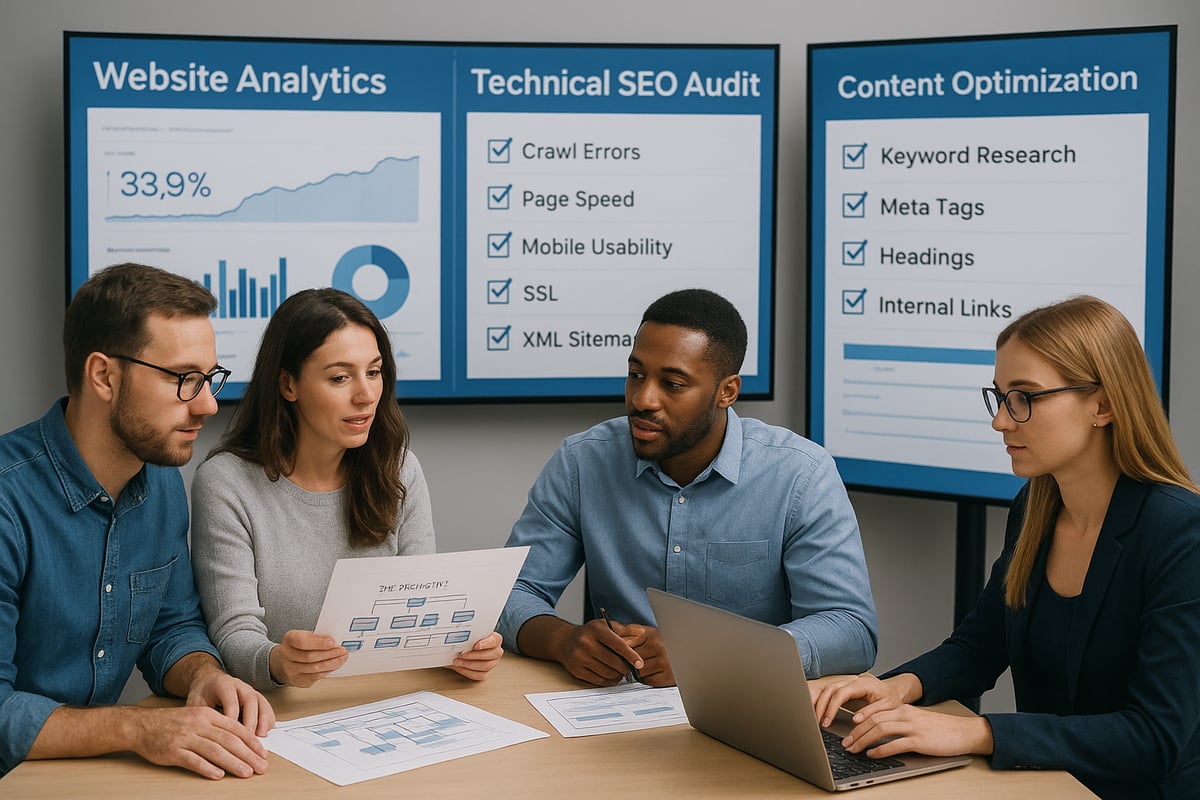
Technical SEO forms the backbone of seo optimization seo by ensuring your website is accessible, fast, and easily understood by both search engines and AI platforms. Start by designing a clear site architecture that supports seamless crawlability and indexability. Use XML sitemaps and robots.txt files to guide search engine bots to your most important content.
Prioritize mobile-first and responsive design, as the majority of users now browse from mobile devices. Core Web Vitals such as Largest Contentful Paint (LCP), First Input Delay (FID), and Cumulative Layout Shift (CLS) are critical for both user experience and rankings. Make sure your site loads quickly and uses HTTPS for security.
Regularly audit for crawl errors and broken links to prevent issues that could block indexation. For example, fixing a misconfigured robots.txt file can quickly restore lost visibility. According to recent data, sites with weak technical SEO are less likely to appear in AI-generated search results. For a deeper dive into foundational strategies, review these search engine optimization basics.
On-Page SEO: Content & User Intent Alignment
On-page SEO is essential for effective seo optimization seo in 2026. Modern keyword research focuses on long-tail, conversational, and intent-based queries that align with evolving search behaviors. Structure your content with clear headings, optimized meta tags, and relevant multimedia to engage users and support AI understanding.
Incorporate schema markup to enhance your chances of winning featured snippets and AI Overviews in search results. Address specific user intent—whether informational, transactional, or navigational—by providing original, high-value content that directly answers questions.
Use internal linking to build topic clusters and guide both users and crawlers through related content. For example, adding FAQ schema to a product page can increase visibility in People Also Ask sections and generative SERP features. Remember, search engines and AI engines reward depth, clarity, and relevance.
Off-Page SEO: Authority & Trust Signals
Off-page SEO focuses on building the authority and trustworthiness that fuel long-term seo optimization seo success. High-quality, relevant backlinks remain a top ranking factor, but today's strategies emphasize digital PR, brand mentions, and even unlinked citations.
Engage in outreach to earn links from respected industry publications. Social signals—such as shares and engagement—play a growing role in demonstrating your website's value. Local SEO is also crucial: maintain accurate citations, optimize your Google Business Profile, and encourage customer reviews.
Building E-E-A-T (Experience, Expertise, Authoritativeness, Trustworthiness) through third-party validation is more important than ever. For example, a strong portfolio of positive reviews and mentions can help your business stand out in both traditional and AI-powered search. Consistent off-page efforts ensure your presence remains strong across search engines and generative platforms.
AI, Generative Search, and the Future of SEO
The landscape of seo optimization seo is rapidly evolving as artificial intelligence and generative search engines redefine how users discover information. Businesses must adapt to these changes to stay visible and competitive in 2026.

How AI Is Changing Search Engine Optimization
AI has transformed seo optimization seo from a keyword-centric discipline into a sophisticated, intent-driven strategy. Generative AI tools like ChatGPT, Gemini, and Perplexity are now influencing which websites appear in search results and how users interact with content.
Large language models (LLMs) favor content that is authoritative, well-structured, and factually accurate. This shift means that brands must focus on creating high-value pages that demonstrate expertise and trustworthiness. Semantic search, entity-based SEO, and structured data—such as schema markup—are essential for ensuring content is easily understood by both AI and traditional search engines.
Conversational and zero-click searches are becoming more common, as users receive answers directly from AI-generated overviews or chatbots. For example, a business featured in an AI-generated answer can see a significant increase in clicks and brand awareness. To optimize for these platforms, brands need to align their content with user intent, answer questions clearly, and provide context through structured data.
In summary, seo optimization seo now requires a dual approach. Content must appeal to both human readers and AI algorithms, focusing on clarity, authority, and semantic relevance.
Multi-Platform & Generative Engine Optimization
Visibility is no longer limited to Google. Modern seo optimization seo involves optimizing for multiple platforms, including Amazon, TikTok, YouTube, and emerging AI chatbots. Search behavior is fragmented, with users seeking answers across various engines and generative platforms.
To succeed, brands should:
- Audit their presence on each major search and AI platform.
- Tailor content formats for different engines (text, video, voice).
- Use structured data to enhance discoverability in AI-generated overviews.
- Monitor performance using analytics that track visibility beyond traditional SERPs.
A recent case study highlights how brands that diversified their seo optimization seo approach across Google, TikTok, and AI engines achieved higher engagement and lead generation. By optimizing for generative engines, these companies captured new audiences and adapted to changing search habits.
For a deeper dive into strategies for generative engine visibility, explore this Generative Engine Optimization guide, which explains how to future-proof your multi-platform SEO efforts.
Staying ahead means measuring your brand’s presence across all platforms and continuously refining your approach. The future of seo optimization seo is multi-dimensional, blending traditional tactics with AI-driven strategies for maximum reach.
Step-by-Step SEO Optimization Strategy for 2026
Is your business ready for the future of seo optimization seo? The landscape is evolving fast, and a static strategy will leave your website behind. To maintain visibility and grow organic traffic in 2026, you need a proactive, multi-step approach that blends technical expertise, content mastery, and AI-driven insights.
This roadmap walks you through each critical phase, providing practical steps and examples to help you adapt to the new era of seo optimization seo.
Step 1: Audit & Benchmark Your Current SEO Performance
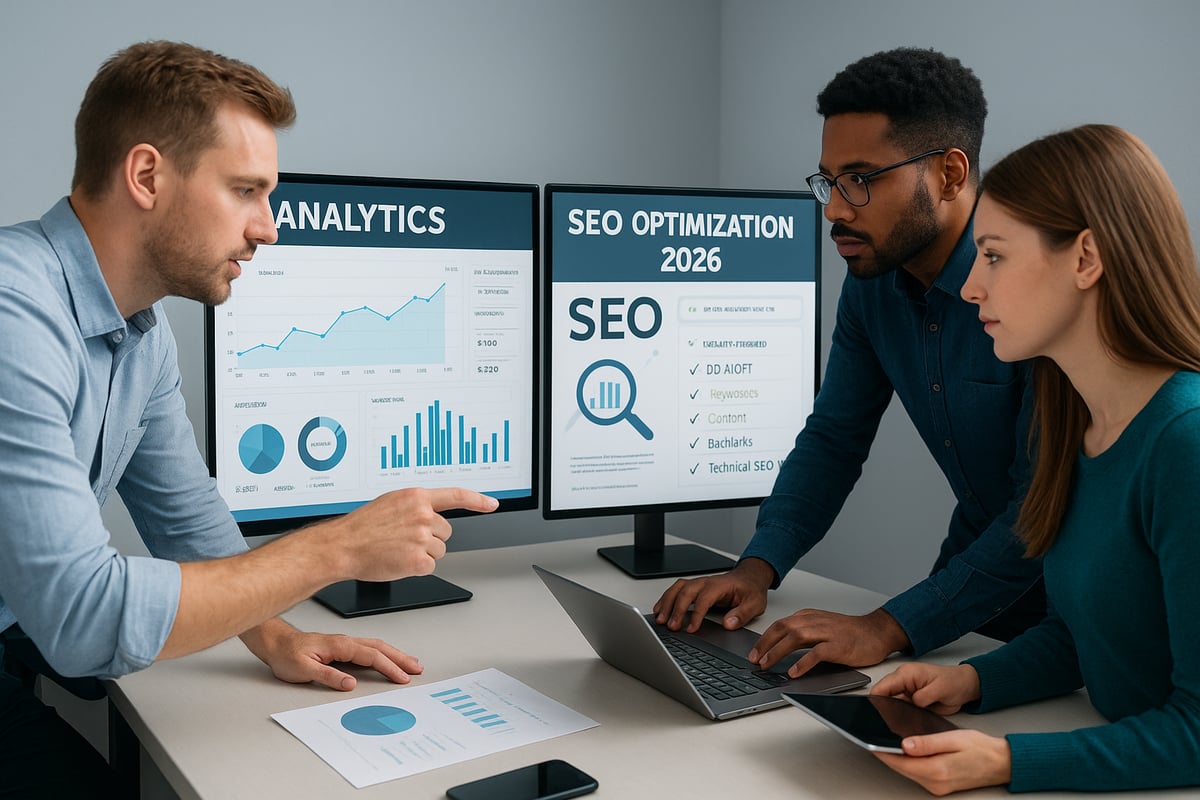
Start your seo optimization seo journey by assessing where you stand today. Use tools like Google Search Console, Moz, and Semrush to conduct a thorough technical and content audit.
- Identify organic traffic sources and top-performing pages.
- Spot technical issues such as crawl errors, broken links, or slow-loading pages.
- Benchmark your keyword rankings and track SERP feature visibility against top competitors.
Create a table to track your findings:
| Audit Area | Tool | Status | Action Needed |
|---|---|---|---|
| Crawl Errors | GSC, Screaming Frog | 3 found | Fix immediately |
| Core Web Vitals | PageSpeed Insights | Needs improvement | Optimize images |
| Keyword Rankings | Semrush, Moz | Below competitor | Update content |
Regular audits uncover hidden obstacles and highlight opportunities, laying the groundwork for effective seo optimization seo.
Step 2: Update Technical SEO for 2026 Standards
Technical seo optimization seo forms the backbone of your visibility in both traditional and AI-driven search. Ensure your website meets 2026 standards:
- Prioritize mobile-first, responsive design.
- Secure your site with HTTPS and optimize for speed.
- Address Core Web Vitals: LCP under 2.5s, FID under 100ms, CLS below 0.1.
Implement structured data (schema markup) to help search engines and AI platforms understand your content. For example:
{
  "@context": "https://schema.org",
  "@type": "Article",
  "headline": "Seo Optimization Seo Guide: Essential Strategies for 2026",
  "author": "Your Name"
}
Fix technical errors promptly, as sites with unresolved issues often lose ground in seo optimization seo rankings, especially in AI-generated results.
Step 3: Optimize Content for User Intent & AI Engines
Content is still king, but in 2026, it must serve both human users and AI platforms. Focus your seo optimization seo efforts on targeting long-tail and conversational queries that reflect real user intent.
- Refresh existing pages to answer user questions clearly.
- Use structured headings, compelling meta tags, and multimedia for richer engagement.
- Add schema markup for FAQs, products, and reviews to enhance SERP features.
- Address informational, transactional, and navigational intents throughout your content.
Leverage strategies from AI optimization hacks for SEO to ensure your pages are surfaced by AI engines and featured in zero-click results. Effective content optimization is essential for future-proofing your seo optimization seo.
Step 4: Build Authority with Off-Page SEO & Digital PR
Authority remains a vital ranking factor for seo optimization seo. Focus on acquiring high-quality backlinks and building your brand’s reputation.
- Target industry-relevant domains for link building.
- Launch digital PR campaigns and collaborate with influencers.
- Manage local SEO by keeping citations and Google Business Profile updated.
- Encourage reviews and respond to brand mentions, both linked and unlinked.
A strong off-page presence signals trust to both search engines and AI, helping your site earn coveted positions in featured snippets and AI Overviews.
Step 5: Expand Multi-Platform & Generative Engine Visibility
The search landscape now includes Amazon, YouTube, TikTok, and AI chatbots alongside Google. To maximize seo optimization seo results, diversify your efforts:
- Optimize business profiles and content for each platform.
- Adapt content formats: text, video, and voice for cross-platform reach.
- Monitor performance using analytics tools that track visibility across traditional and generative search engines.
- Analyze where leads are coming from and adjust your strategy accordingly.
Brands that embrace multi-platform optimization will be better positioned to capture new audiences as search habits evolve.
Step 6: Monitor, Measure, and Iterate for Continuous Improvement
SEO is never set-and-forget. Continuous monitoring is crucial for effective seo optimization seo in 2026.
- Set up custom dashboards to track rankings, traffic, Core Web Vitals, and SERP features.
- Use specialized tools to monitor your presence in AI-generated results and generative search placements.
- Schedule monthly reviews to refine strategies based on performance data.
- Stay informed about algorithm changes and emerging trends to remain competitive.
Iterative improvements ensure your seo optimization seo strategy adapts to changes and secures long-term organic growth.
Winning SERP Features & Enhancing User Experience
Staying ahead in seo optimization seo means mastering both SERP features and user experience. As search evolves, winning these coveted positions and providing seamless site usability is critical for visibility in 2026.
Understanding and Targeting SERP Features
SERP features have become a cornerstone of seo optimization seo. Modern search results now go far beyond traditional blue links, offering users fast answers and richer experiences.
The most prominent SERP features include:
- Featured snippets: Direct answers to queries displayed at the top
- People Also Ask (PAA): Expandable questions related to the search
- Image and video packs: Visual results for multimedia searches
- Knowledge panels: Structured summaries about topics or brands
- AI Overviews: Generative summaries powered by large language models
To target these features, structure your content with clear headings, concise answers, and relevant schema markup. Adding FAQ or HowTo schema can help your site appear in rich results. For example, a step-by-step how-to guide with proper markup increases your chances of capturing both featured snippets and AI Overviews.
Research from Ziff Davis shows that LLMs favor authoritative and well-structured sites for AI-generated summaries. To improve your chances, focus on entity-based optimization, use multimedia, and provide trustworthy information. For more on how to optimize for AI-driven recommendations, see this guide on SEO and ChatGPT recommendations.
Optimizing for these SERP features not only boosts click-through rates but also increases your brand’s visibility across both search engines and AI platforms.
User Experience as a Ranking Factor
User experience is inseparable from seo optimization seo. Search engines, especially those powered by AI, now prioritize sites that delight users with speed, clarity, and accessibility.
Focus on these core areas:
- Core Web Vitals: Ensure Largest Contentful Paint (LCP), First Input Delay (FID), and Cumulative Layout Shift (CLS) meet recommended thresholds for speed and stability.
- Mobile-friendliness: Responsive designs perform better in mobile and AI search environments.
- Intuitive navigation: Logical menus and strong internal linking support both users and crawlers.
- Accessibility: Make content usable for all with proper contrast, alt text, and ARIA labels.
A well-designed site reduces bounce rates and increases time on page, both of which are signals for seo optimization seo success. For example, simplifying navigation and improving load times can lead to higher retention and better rankings in both traditional and AI-driven SERPs.
The interplay between UX, SEO, and AI search means every improvement multiplies your chances of being featured and recommended. By prioritizing both SERP features and user experience, you future-proof your organic growth.
Essential SEO Tools & Resources for 2026
Staying ahead in seo optimization seo means leveraging the right mix of tools and resources, especially as search engines and AI platforms evolve. The right toolkit not only streamlines your workflow but also helps you adapt quickly to algorithm shifts and new ranking factors.
Must-Have Tools for Modern SEO
To master seo optimization seo in 2026, your toolkit should cover every aspect of technical, on-page, and off-page optimization. Start with technical SEO: Google Search Console and Screaming Frog excel at identifying crawl errors, indexation issues, and Core Web Vitals performance.
For keyword research, Moz Keyword Explorer, Semrush, and Ahrefs remain industry standards. These platforms help you uncover intent-driven, conversational queries and track keyword difficulty across both Google and AI search engines.
SERP feature tracking is essential. STAT and Moz let you monitor rankings for featured snippets, People Also Ask, and AI Overviews. As the Generative Engine Optimization market grows, new tools are emerging to track your visibility on AI engines like ChatGPT and Perplexity.
Content optimization is more nuanced. Surfer SEO and Clearscope analyze top-performing pages and recommend improvements for headings, semantic relevance, and multimedia. For analytics, Google Analytics 4 and Looker Studio provide actionable insights into user behavior, engagement, and conversions.
A sample workflow for seo optimization seo could look like this:
- Use Screaming Frog to audit crawlability and indexation
- Research keywords with Semrush
- Track featured snippets with STAT
- Optimize content with Surfer SEO
- Measure results in Google Analytics 4
Staying Updated: Learning & Adapting in a Rapidly Changing SEO World
The landscape of seo optimization seo shifts rapidly. Staying current requires more than just tools; it demands continuous education and adaptability.
Rely on trusted industry resources such as Search Engine Land, Moz Blog, and Google Search Central for up-to-date insights. Subscribe to algorithm update trackers and SEO newsletters to catch breaking news and tactical shifts.
Community forums and webinars foster knowledge sharing, helping you troubleshoot challenges and learn from peers. Experimentation is vital, especially as new SERP features and AI-driven search results emerge. For a deeper dive into upcoming trends, review SEO trends for 2026 to anticipate shifts like the rise of user-generated content and forums in search visibility.
Regularly update your seo optimization seo strategy to incorporate new tools, tactics, and ranking factors. For example, if a new AI Overview feature launches, use your SERP tracking tools to monitor its impact, then adjust your content and technical optimization as needed.
By combining a robust toolkit with continuous learning, you ensure your seo optimization seo efforts remain effective, resilient, and future-ready.
SEO Optimization SEO Guide: Frequently Asked Questions (FAQ)
Curious about seo optimization seo in 2026? Explore these essential FAQs to keep your strategy updated for both search engines and AI-driven platforms.
What is seo optimization seo and why is it important in 2026?
Seo optimization seo refers to the process of improving website visibility, traffic, and rankings for both traditional and AI-driven search engines. In 2026, it is vital for staying competitive and reaching your target audience.
How do AI and generative search engines impact SEO?
AI and generative search engines change ranking factors, favoring authoritative, structured content. For deeper insights, see this Impact of AI on website publishers analysis.
What are Core Web Vitals and how do they affect rankings?
Core Web Vitals measure loading, interactivity, and visual stability. Optimizing these metrics improves user experience and search visibility.
How can I optimize for both Google and AI-powered platforms?
Diversify content, use structured data, and target conversational queries to appear on multiple engines.
What are the most important ranking factors for 2026?
E-E-A-T, Core Web Vitals, semantic relevance, and authoritative backlinks top the list.
How do I monitor my visibility on AI engines like ChatGPT and Perplexity?
Use AI tracking tools and analytics to measure presence across new generative platforms.
What tools are essential for SEO in 2026?
Google Search Console, Semrush, Moz, and AI monitoring tools are must-haves for seo optimization seo.
How do I stay ahead of SEO algorithm updates?
Follow industry blogs, subscribe to newsletters, and join SEO communities for timely updates.
What is the difference between traditional SEO and Next Engine Optimization (NEO)?
NEO blends classic SEO with AI engine and generative optimization for multi-platform visibility.
How often should I audit and update my SEO strategy?
Review your SEO performance monthly and after major algorithm changes to stay effective.
As we’ve explored, staying ahead in SEO for 2026 means thinking beyond Google and embracing the rise of AI-driven search engines and multi-platform visibility. If you’re ready to future-proof your digital presence and want guidance tailored to your unique business challenges, I invite you to connect directly with the experts at Next Engine Optimization. Whether you have questions about technical SEO, AI-powered strategies, or just want to ensure you’re set up for success in this evolving landscape, let’s take the next step together. Book a call and get personalized insights to boost your visibility in the years ahead.