

Are you ready to discover how google engines are transforming the way we search? The days of relying on just one search engine are over, as 2025 introduces a powerful suite of Google tools designed for every need.
This article will guide you through the 7 most essential google engines to know this year. You will learn what makes each engine unique, from advanced AI features to search experiences tailored for business, research, shopping, and more.
The search landscape is changing fast. Stay informed, discover which engine best fits your goals, and gain the insights you need to stay ahead in digital visibility. Explore the future of search—read on and unlock your potential.
The Evolution of Google Engines in 2025
The world of google engines is undergoing a dramatic transformation in 2025. No longer limited to a single search tool, Google now offers a suite of specialized engines, each tailored for different needs and powered by advanced AI. This shift is reshaping how users discover information and how brands approach digital visibility.
The Rise of Multi-Engine Search
In 2025, google engines have evolved beyond a one-size-fits-all approach. Google has transitioned from a single search engine model to a family of specialized engines, each designed to serve unique user needs. The integration of artificial intelligence, generative search, and vertical-specific solutions is at the heart of this transformation.
User expectations are driving the demand for more personalized and relevant search experiences. For example, Google's AI Overviews are now available in over 40 languages, providing instant, summarized insights to users worldwide. This evolution has significant implications for digital marketing and SEO, as strategies must adapt to compete across a broader landscape.
Recent data reveals that Google’s global search share dropped to 93.05% in 2025, highlighting increased competition and the importance of diversification for online visibility.
How AI and Generative Search Are Reshaping Google
The rapid adoption of AI-powered google engines is redefining how information is delivered. With the launch of Gemini and the introduction of AI Mode in Google Search, users now experience more conversational and context-driven results. Generative Engine Optimization (GEO) has emerged as a new discipline, focusing on optimizing content for AI-generated summaries and recommendations.
AI Overviews stand out by providing concise, authoritative answers to complex queries, saving users time and improving comprehension. As a result, AI engines are capturing a growing share of organic traffic, accounting for 0.13% globally in 2025. The momentum behind AI-powered google engines is expected to accelerate, signaling a lasting change in the search landscape.
Why You Should Care: Opportunities & Challenges
The evolution of google engines brings both opportunities and challenges for users and businesses. Increased competition for top search positions means that traditional SEO tactics are no longer enough. New optimization strategies are required, especially for AI and generative engines.
Early adopters who embrace these changes can gain substantial visibility advantages. For instance, small businesses leveraging AI-optimized content are seeing higher click-through rates and improved engagement. However, keeping pace with Google’s frequent updates remains a challenge. Notably, Bing’s market share has grown to 4.61%, indicating that users are open to exploring alternative platforms. The key takeaway: adapting to the new era of google engines is essential for long-term success.
Google Engines vs. Traditional Search Platforms
When comparing google engines to traditional search platforms like Bing, DuckDuckGo, and Yahoo, Google maintains several unique advantages. Its deep data integration, advanced AI capabilities, and vast ecosystem set it apart. However, there are limitations, such as ongoing privacy concerns, unpredictable algorithm updates, and a gradual decline in market dominance.
Privacy-first alternatives like Ecosia and DuckDuckGo are gaining traction among users who prioritize data protection. Market share trends from 2024 to 2025 further illustrate the shifting landscape. According to Global search engine market share 2025, Google’s share dipped below 90% for the first time, reinforcing the need for multi-platform optimization strategies.
7 Google Engines You Should Know About in 2025
The landscape of google engines has transformed dramatically by 2025. Today, users and businesses benefit from a diverse suite of specialized engines, each designed for distinct needs. Whether you want classic search results, AI-driven answers, visual queries, or product discovery, there is a google engines solution for you. Understanding these seven essential google engines will help you maximize your digital visibility and stay ahead in the evolving search ecosystem.
Google Search (Classic)
Google Search remains the cornerstone of google engines, offering universal search capabilities trusted by billions. It is free for users, while businesses leverage ad placements to reach their audiences. Core features include rich snippets, the Knowledge Graph, and mobile-first indexing, ensuring relevant results on any device.

A key benefit is its unparalleled global reach and continuous algorithm enhancements. Integration with the broader Google ecosystem provides seamless access to Maps, News, and more. The main audience includes the general public, businesses, and marketers aiming for broad exposure.
Pros:
- Highest traffic among all google engines
- Reliable, up-to-date results
- Consistent innovation
Cons:
- Intense competition for rankings
- Frequent algorithm updates
For a deeper dive into its features, explore the Google Search Engine Features page. Even in 2025, classic Search drives 93.05% of global organic traffic, proving its dominance among google engines.
Google Gemini (AI Search)
Google Gemini is the AI-powered evolution in the google engines family. With both free access and a premium Gemini Advanced subscription, users gain conversational, multimodal search—handling text, images, and voice inputs. Gemini excels at coding help, document analysis, and contextual responses, making it ideal for professionals and researchers.
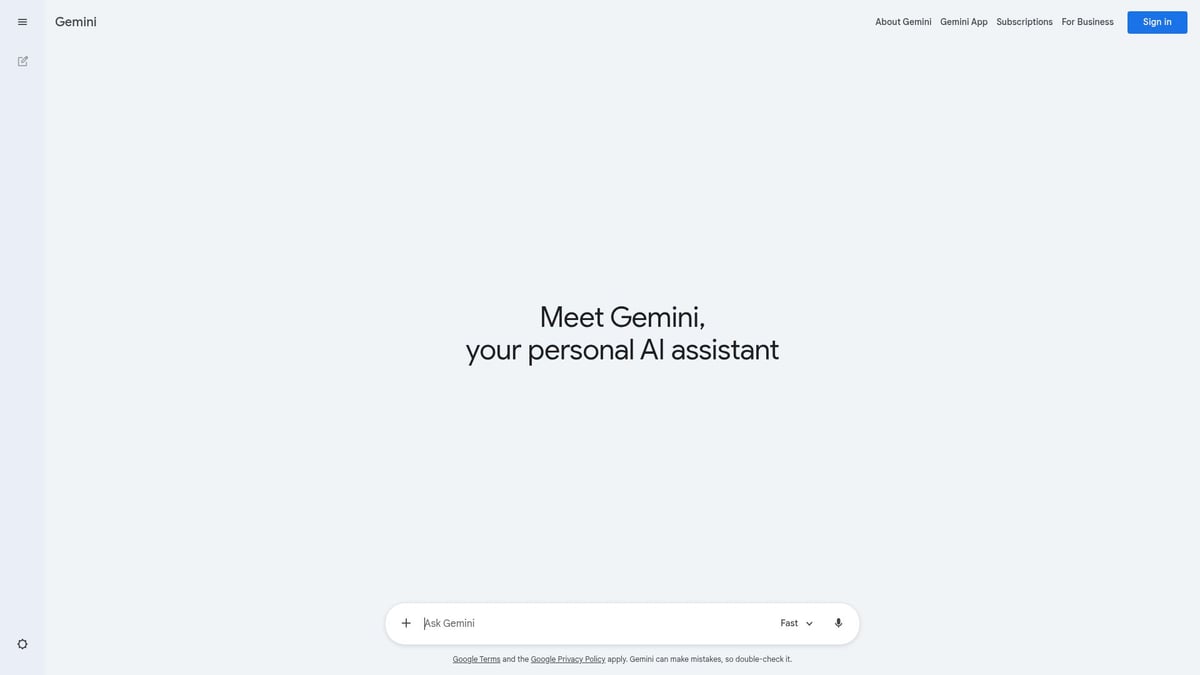
The standout benefit is its personalized, context-aware answers, integrating deeply with Google Workspace apps. Gemini’s unique value lies in its advanced AI and support for over 40 languages, positioning it as a leader among google engines.
Pros:
- Fast, precise, and handles complex queries
- Advanced AI integration
Cons:
- Some features gated behind a subscription
- Learning curve for newcomers
AI Overviews powered by Gemini 2.0 now reach users in over 200 countries, solidifying Gemini’s role in modern google engines.
Google AI Overviews
AI Overviews are a transformative addition to google engines, providing instant, AI-generated summaries at no extra cost. Integrated directly into Search, they deliver quick answers, source links, and support for 40+ languages.
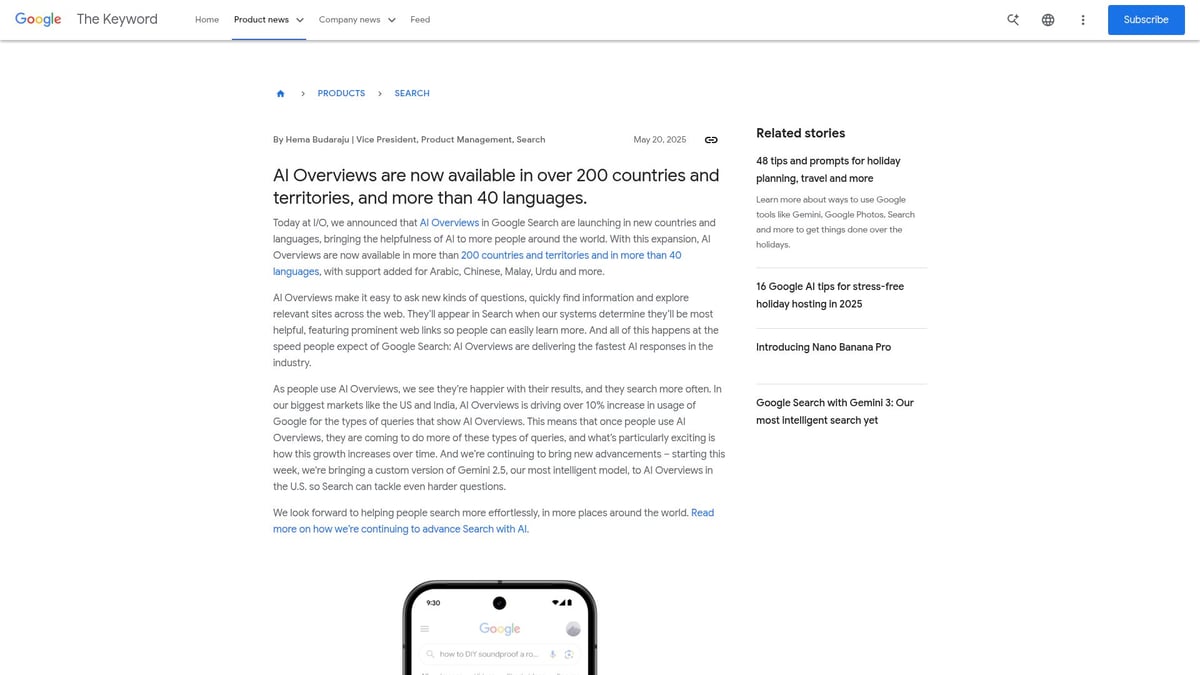
The primary benefit is time-saving, with authoritative sources surfaced for better comprehension. AI Overviews are especially valuable for students, researchers, and anyone wanting fast, reliable information from google engines.
Pros:
- Reduces research time
- Ensures reliable sourcing
Cons:
- May oversimplify complex topics
- Occasional citation gaps
AI Overviews now account for a growing share of high-intent queries, making them a critical component of google engines in 2025.
Google Lens
Google Lens showcases the visual power of google engines. This free tool lets users search by image, recognize objects, translate text, and even get homework help. Its deep integration with Android, Google Photos, and Chrome makes visual search seamless.
Key benefits include intuitive, real-world problem solving and support for multiple languages. Google Lens is perfect for shoppers, travelers, students, and anyone who prefers visual interaction within google engines.
Pros:
- Highly intuitive and versatile
- Supports many languages
Cons:
- Accuracy depends on image quality
- Privacy concerns with uploads
In 2025, Google Lens processes 12 billion visual searches each month, illustrating the expanding role of visual discovery in google engines.
Google Shopping (Product Search)
Google Shopping stands out among google engines for e-commerce and product discovery. Merchants can list products for free, while ads offer greater visibility. Shoppers enjoy product comparisons, price tracking, and direct purchase links, all within a trusted environment.
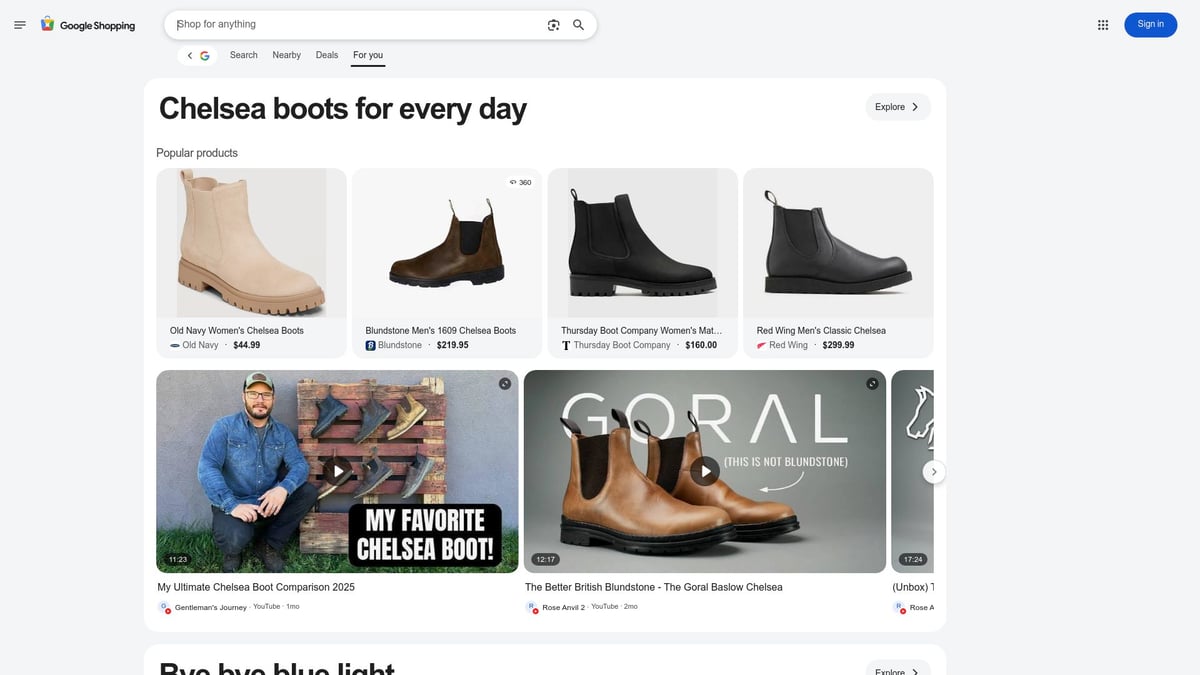
The main benefit is driving high-intent e-commerce traffic, with robust analytics and local inventory support. Shopping integrates smoothly with Google Ads and Merchant Center, helping retailers and brands thrive in the google engines ecosystem.
Pros:
- High commercial intent
- Detailed analytics
Cons:
- Competitive for smaller merchants
- Ad costs can escalate
Over 1 billion product listings are indexed globally, making Google Shopping a prime destination for buyers and sellers in google engines.
Google Discover
Google Discover redefines content discovery within google engines. This free, AI-curated feed delivers personalized news, articles, videos, and images based on user interests and activity. It extends reach beyond traditional search, driving brand awareness and engagement.
Key advantages include high mobile engagement and passive discovery, especially for publishers and lifestyle brands. Discover is mobile-first and leverages AI to highlight trending topics among google engines.
Pros:
- Boosts engagement
- Strong mobile presence
Cons:
- Placement relies on algorithm
- Limited publisher control
In 2025, Discover drives 20% of mobile traffic for top publishers, cementing its status among the most influential google engines.
Google Maps Search
Google Maps Search connects users with local businesses, services, and destinations, forming a vital part of google engines. Free for users, it offers paid Local Services Ads for businesses. Core features include business listings, reviews, directions, and Street View.

The standout benefit is facilitating local connections and supporting bookings or reservations. Maps Search’s real-time data, AR navigation, and Google My Business integration make it essential for local businesses and travelers using google engines.
Pros:
- High local intent
- Actionable, real-time results
Cons:
- Relies on accurate business profiles
- High competition in dense areas
Every day, over 5 million businesses are discovered via Google Maps, underscoring its impact on local visibility within google engines.
How to Optimize for Google’s Engines in 2025
Staying visible in 2025 means mastering optimization across all google engines. As each engine evolves, your strategy must evolve too. Here’s how to ensure your content stands out across the latest search platforms.
Multi-Engine SEO Strategies
With the rise of specialized google engines, relying on a single SEO tactic is no longer effective. Each platform prioritizes different ranking signals, so diversification is critical.
Start by using structured data and schema markup to help all google engines understand your content. Include rich media like images and videos, and tailor your content for verticals such as shopping, news, or local. For example, optimizing for classic Search and Discover requires distinct formatting and metadata.
According to recent studies, AI Overviews-optimized content achieves higher click-through rates compared to traditional snippets. For a detailed roadmap, explore SEO Engine Search Strategies to align your approach with current best practices for google engines.
Leveraging AI and Visual Search
Optimizing for AI-driven google engines like Gemini, AI Overviews, and Lens requires a shift in content creation. Use conversational language and provide context-rich answers that mirror how users speak to AI systems.
High-quality images are essential for visual search. Ensure your visuals are clear, relevant, and properly tagged. For Google Lens, descriptive alt text and structured image data can make your content more discoverable.
Follow AI-generated content guidelines, focusing on accuracy and user intent. For example, optimizing recipes with step-by-step photos can boost visibility in both AI Overviews and Lens. These tactics help you connect with users across diverse google engines.
Local and E-Commerce Optimization
For businesses, local and product-specific google engines like Maps and Shopping are crucial. Begin by verifying business listings and keeping details accurate. Encourage customer reviews and respond promptly to build trust.
Implement product schema and maintain up-to-date inventory feeds for Shopping. Use location-based keywords and images to enhance Maps visibility. For instance, small businesses that optimize their google engines profiles see increased foot traffic and online sales.
Data shows local searches drive 40 percent of mobile conversions. Hyperlocal strategies and detailed product information are now essential for tapping into these powerful google engines.
Future-Proofing Your Search Strategy
Continuous adaptation is key as google engines update their algorithms and features. Monitor official updates and adjust your tactics promptly.
Embrace multi-platform and AI engine optimization, including AEO and Generative Engine Optimization (GEO). Early adopters of new google engines often gain a first-mover advantage, capturing valuable traffic before competitors catch up.
Stay informed through industry resources and ongoing education. As user search behavior shifts, those who remain flexible and proactive will lead in digital visibility across all google engines.
Frequently Asked Questions (FAQ)
Navigating google engines in 2025 can be complex. Below, we address common questions to help you understand the new search landscape and make the most of each engine.
What is the difference between Google Search and Google Gemini?
Google Search and Google Gemini are both powerful google engines, but they serve different needs. Google Search is designed for fast, keyword-based results and excels at surfacing authoritative links and facts. Gemini, on the other hand, is an AI-powered conversational engine that delivers context-rich, personalized answers.
For example, a query like "best Italian restaurants" in Google Search provides a ranked list of options. In Gemini, you can ask, "Plan a trip to Rome with itinerary," and receive a detailed, step-by-step plan. Gemini supports multimodal input, allowing searches by text, voice, or images.
If you want a deeper dive into how these engines compare in business use, read this Google vs. AI Search Comparison. Both engines are integrated within the Google ecosystem, but user experience and optimization tactics differ.
How do I get my business featured in Google AI Overviews?
To appear in Google AI Overviews, your content must align with what google engines prioritize: authority, structured data, and concise, well-formatted answers. Focus on providing clear, direct information and use schema markup to help Google understand your content.
E-E-A-T (Experience, Expertise, Authoritativeness, Trustworthiness) is essential. Sites that demonstrate these qualities, especially in sensitive niches like health or finance, are more likely to be included. For example, health websites with schema markup and credible sources often appear in AI Overviews.
Regularly monitor your site's performance in Google Search Console. This tool helps you track visibility and identify optimization opportunities for AI Overviews.
Can I optimize for multiple Google engines at the same time?
Yes, you can and should optimize for several google engines concurrently. The key is to create adaptable, structured content that can be repurposed across platforms. Use structured data, such as FAQ and Product schema, to enhance discoverability.
For instance, product listings can appear in classic Search, Shopping, and Discover with the right formatting. Unified content strategies save time and increase reach. If you want to learn more about this multi-engine approach, explore the Generative Engine Optimization Guide.
Successful optimization across google engines ensures your content is visible wherever your audience searches.
Are there privacy concerns with Google’s AI engines?
Privacy is top-of-mind for many users exploring google engines, especially AI-powered ones. Google collects data to enhance personalization, but users have access to privacy controls and transparency tools.
You can review and adjust privacy settings in your Google account, limit data sharing, or use incognito modes. Compared to privacy-first alternatives, like DuckDuckGo, Google’s engines offer more features, but with greater data collection.
If you are privacy-conscious, stay updated on Google's transparency initiatives and review permissions regularly. Understanding data usage helps you make informed decisions while using advanced google engines.
Schema Markup Suggestions
To maximize visibility across google engines, implementing the right schema markup is essential. Structured data helps google engines understand your content, making it eligible for enhanced results like rich snippets and product carousels.
Key Schema Types for Google Engines:
| Schema Type | Best For | Example Use Case |
|---|---|---|
| Article | Blog posts, news | Featured in AI Overviews |
| FAQPage | Support, product FAQs | Appearing in rich FAQ results |
| Product | E-commerce, shopping | Boosts Google Shopping rankings |
| LocalBusiness | Local search, maps | Enhances Google Maps listings |
Including Product schema can improve your appearance in Google Shopping results, driving more clicks for e-commerce brands. For local businesses, LocalBusiness schema helps google engines connect your data to Maps and Search.
Use tools like Google’s Rich Results Test and Schema.org documentation to validate your markup. For comprehensive analysis, try our On-Page SEO Checker to ensure your site is fully optimized for all google engines.
Now that you’ve seen how Google’s search ecosystem is evolving, it’s clear that staying visible means more than optimizing for just one engine. Navigating classic search, AI-powered platforms, and visual discovery tools requires a strategic, future-ready approach. If you want to make sure your business stands out across every Google engine and adapts seamlessly to upcoming changes, I’m here to help you craft a tailored optimization plan. Let’s talk about how you can lead—rather than follow—this new era of search. Ready to take the next step? Book a call and let’s build your digital visibility together.